
75 Years of Learning
Hopland Research and Extension Center
by Hannah Bird
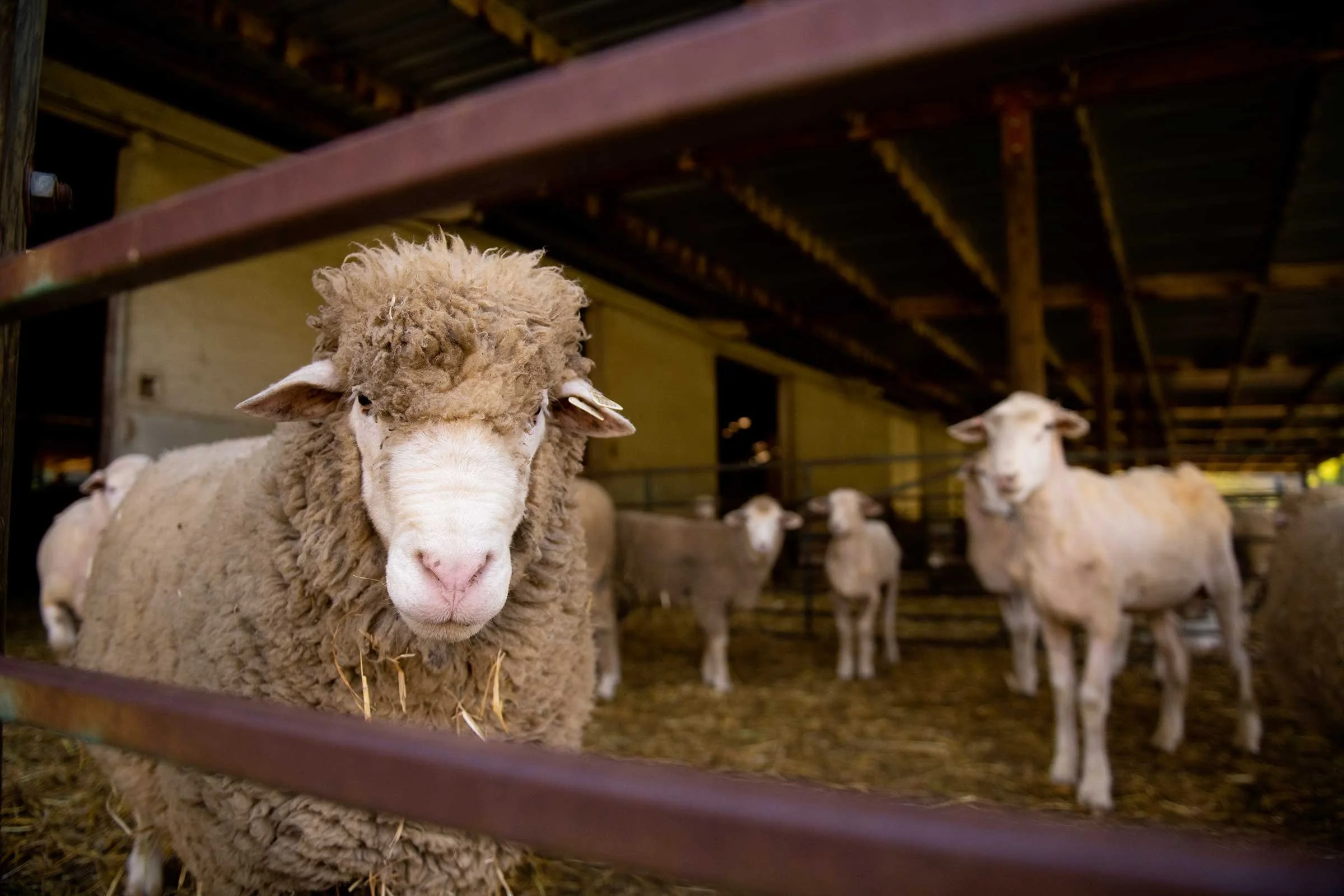
HREC studies how to successfully raise sheep in Mendocino County
How do we best steward our beautiful Northern California lands? How can we interweave our food and fiber production with the health of oak woodlands, wildlife, and human communities? How do we meet human needs whileensuring the continued health of the natural systems we all depend on? The answers are complex, multi-disciplinary, and constantly evolving as we learn more, develop new tools, and adapt to changing climate conditions.
At the University of California Agriculture and Natural Resources Hopland Research and Extension Center (HREC), that complexity isn’t something to be feared but rather faced using the tools of science and education. For the past 75 years, HREC has been a learning landscape, exploring how agriculture and ecology can co-exist on working lands. Often referred to as a “hidden gem,” the 5,358-acre site nestles in the foothills of the Mayacamas range just east of the town of Hopland. Its varied topography, diverse ecosystems, and proximity to coastal and inland climate influences create an ideal landscape for asking questions about and learning techniques for working lands management.
“That’s our purpose,” shares HREC Director John Bailey. “We maintain and enhance ecosystem integrity throughapplied research, adaptive management, and educational activities while supporting working lands. We do this through a continuous feedback loop of working with researchers from across California and the US to conduct studies in a variety of disciplines. These studies build an understanding of the web of interactions that contribute to healthy food production and critical ecosystems for wildlife, human connection, and culture.”
Bailey continues, “We host educational programs for a variety of audiences, from kindergarteners to working professionals, to teach science-based lessons about agriculture andnatural resources. And we gather feedback from our local and regional communities about issues of concern to help inform researchers about where their focus is needed.” Examples of this work include improved sheep breeding and management programs, discoveries in wildlife-transmitted diseases, and ecological management of California native grasslands in the face of a changing climate. The site was originally chosen by the UC in 1951 to provide answers and research to support ranchers. At the time, sheep were the dominant livestock in the area, previously introduced by colonists in the 1800s for their ability to live on dry grasses and steep slopes. One early research project focused on the development of sheepbreeds which thrive on California rangelands. Work done by Edward O. Price and Eric G. Bradford concluded that selection should take place in the “environment of use.” For example, sheep that had been bred at UC Davis were less well adapted to Mendocino landscapes. This work has led to the development of more productive strains of sheep for the North Coast region of California.
Sheep share the rangelands with a great diversity of wildlife, from mountain lions to the smaller, but still formidable, tick. The study of ticks and tick-borne diseases, alongside other zoonoses (diseases which can be transmitted from animals to humans), has been another area of research at HREC. Studying the natural transmission of such diseases as they move through wildlife hosts such as rodents and deer allows us to understand how to break the chain or minimize infection risk.
Intensive ecological and epidemiological investigations of the Lyme disease spirochete (Borrelia burgdorferi) have been conducted at HREC since the early 1980s by Dr. Bob Lane and colleagues. These studies unveiled the ecology of the western black-legged tick, the primary human-biting vector of the disease. A critical habitat for these ticks is in leaf litter and decaying downed trees—all inviting places to take a seat during a woodland walk.
This research has led to public health guidance for professionals who spend much of their working lives outdoors in the woods so they can reduce the risk of tick bites and potential infection. They also uncovered a superhero in our woodlands in the form of the western fence lizard. The blood of this common blue-bellied reptile contains a spirochete-killing immune factor. Their presence in our oak woodlands helps staunch the spread of Lyme disease (definitely classifying the lizard as worthy of its own superhero series!)
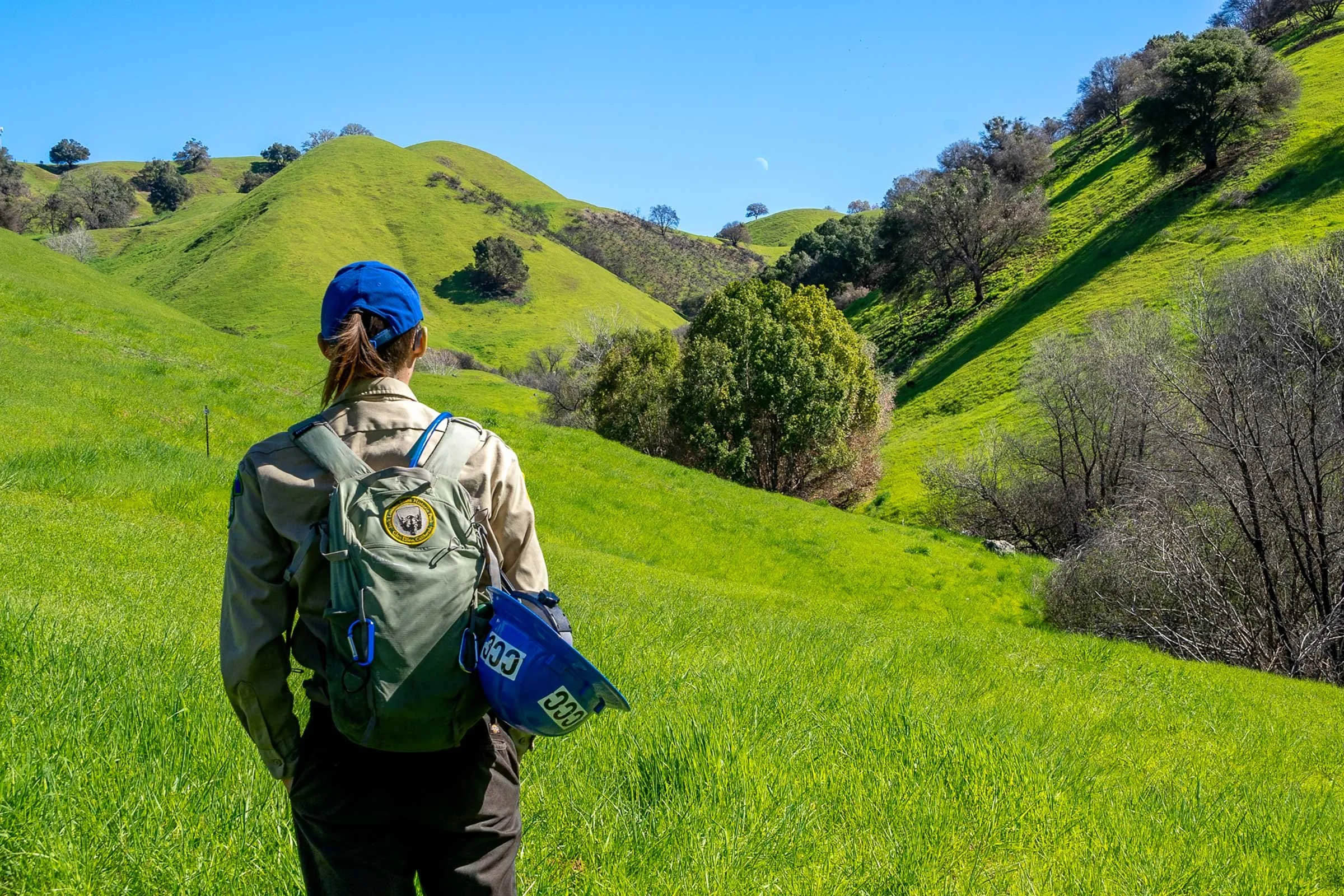
Changing climate impacts most areas of work at the site. Long-term studies by Dr. Valerie Eviner have examined the impacts of wildfire, drought, and invasive species on California grasslands. Such grasslands, despite being hugely altered by non-native species, provide habitat for many rare and endangered plant species and help mitigate climaterelated impacts such as flooding. The longevity of Dr. Eviner’s work at the site has also allowed for deep analysis when unexpected changes occur, such as the 2018 Mendocino Complex Fire, which burned around two-thirds of the HREC site. Dr. Eviner was able to pivot her work after observing how viable seeds were being collected by ants and concentrated into “islands of recovery” for grasses post-fire. Her work has shown that moderate rotational grazing can improve the biodiversity and native plant presence in grasslands, and that a greater presence of native perennials can create more drought resilient rangelands.
At the heart of all of these research studies you’ll find a similar connection—an individual or team of people who delight in observation and connection with land. Such passion creates a never-ending string of questions and projects, which explains why many scientists return again and again, leading to studies spanning decades of work. The inquisitive spark that drives the scientific process is present for every visitor to HREC, not only those from academic institutions. Over 2,000 K-12 students visit the site every year and have their own moments of inspiration during school field trips—kindergartners visit to meet the lambs, while middle schoolers study fire behavior.
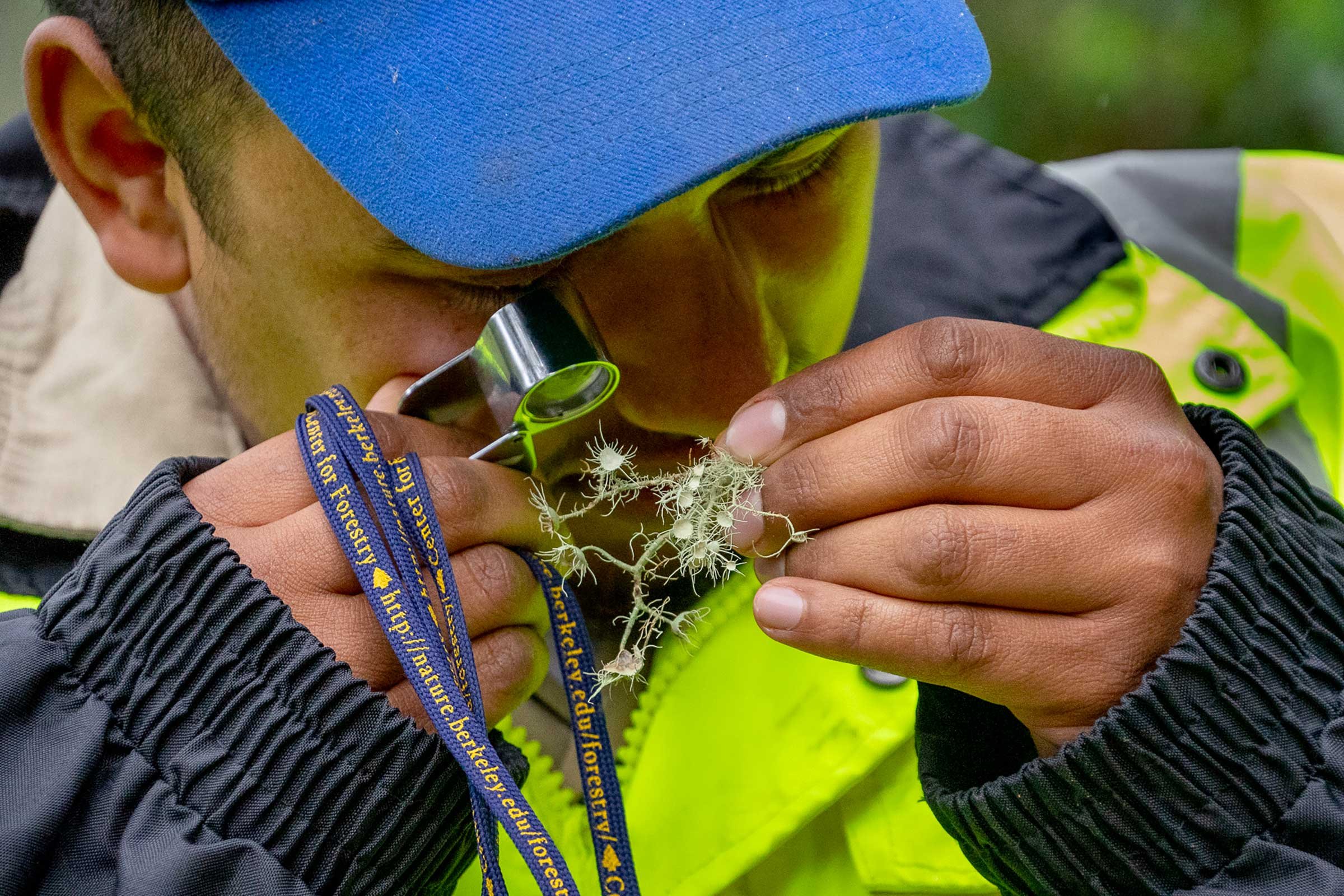
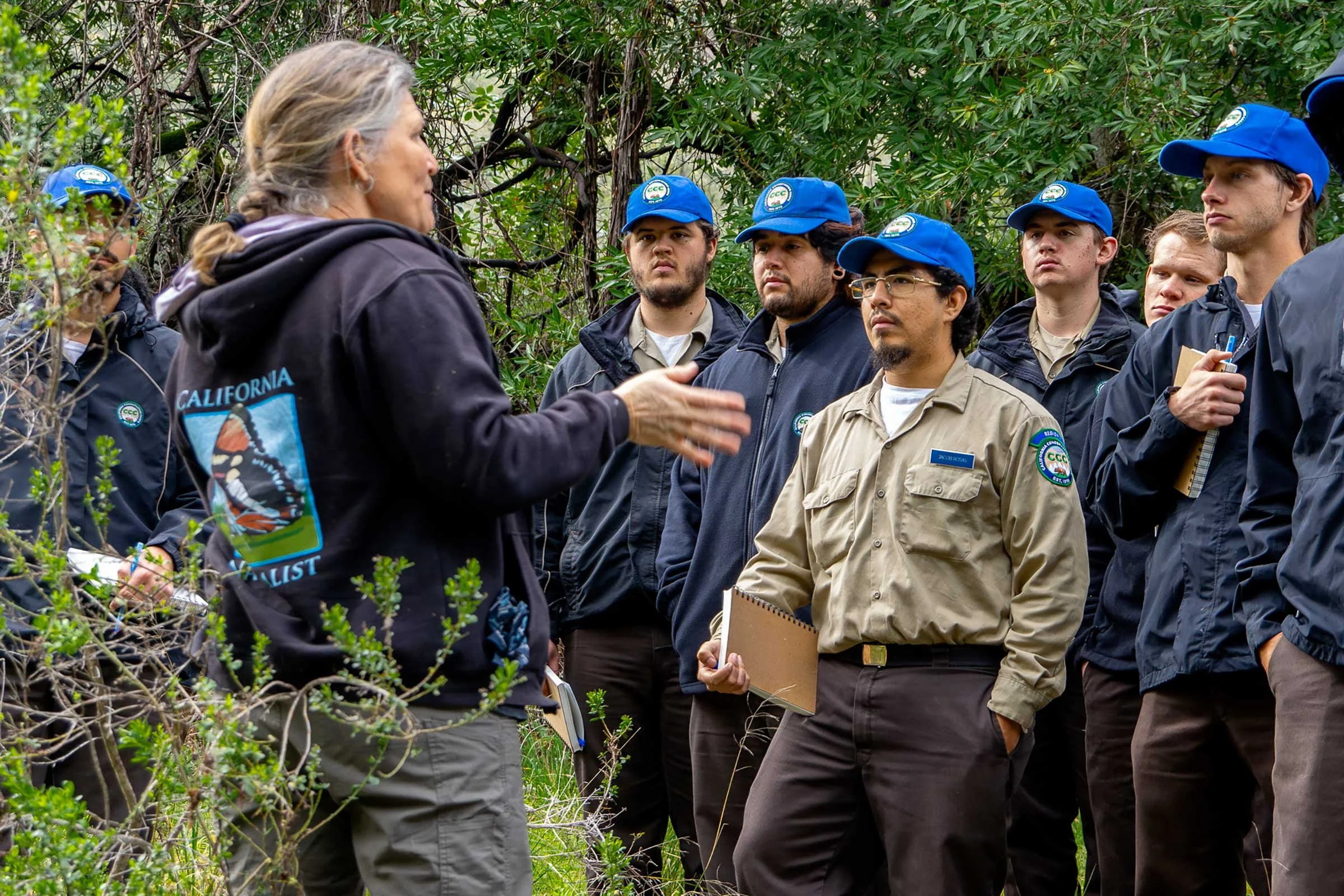
Adult learners access the site for many reasons as well. Budding sheep farmers learn from the site scientists through public classes such as Lambing School or Sheep Shearing and Basic Care 101. Members of the public are introduced to the wonders of California’s ecosystems in the California Naturalist class. This class, which now reaches statewide, was created by local experts Dr. Adina Merelender and Deborah Edelman of Ukiah. Over 400 students have become certified California Naturalists at HREC since the program began in 2014. Lichenologist Dr. Jennifer Riddell leads the students “a mile wide and an inch deep” through local ecology, touching on rocks, watersheds, and wildlife, providing a great springboard from which to launch their own cascade of questions.
Working landscapes such as HREC form the foundationof our love of Mendocino County and its varied terrain: a late summer sun setting over golden rangelands, the acorn-heavy boughs and massive trunks of Californiavalley oaks spreading their shadows, and chaparral-clad peaks alive with wildlife and spring flowers.
It’s heartening to know that this site is protected and dedicated by the University of California, not as a static preserve, but as a place where methods for stewarding are still being developed, refined, and shared. Thiswork has been occurring at HREC for 75 years and will continue into the long-term future for your benefit and with your support. Becoming a better land steward, it turns out, isn’t about finding one right answer. It’s about staying curious, paying attention, and allowing land, people, and wildlife to inform each other over time.
To find out more about events, trainings, and research at HREC visit https://hrec.ucanr.edu/
Hannah Bird is the Community Educator at the UC Hopland Research and Extension Center. When she is not working she is to be found running local races (slowly) and trying to keep her teenage twins engaged with the outdoors!
Photos courtesy of HREC
