Farm to Family Homestead
Micro-Farmed Organic Produce Just Outside Willits
by Torrey Douglass
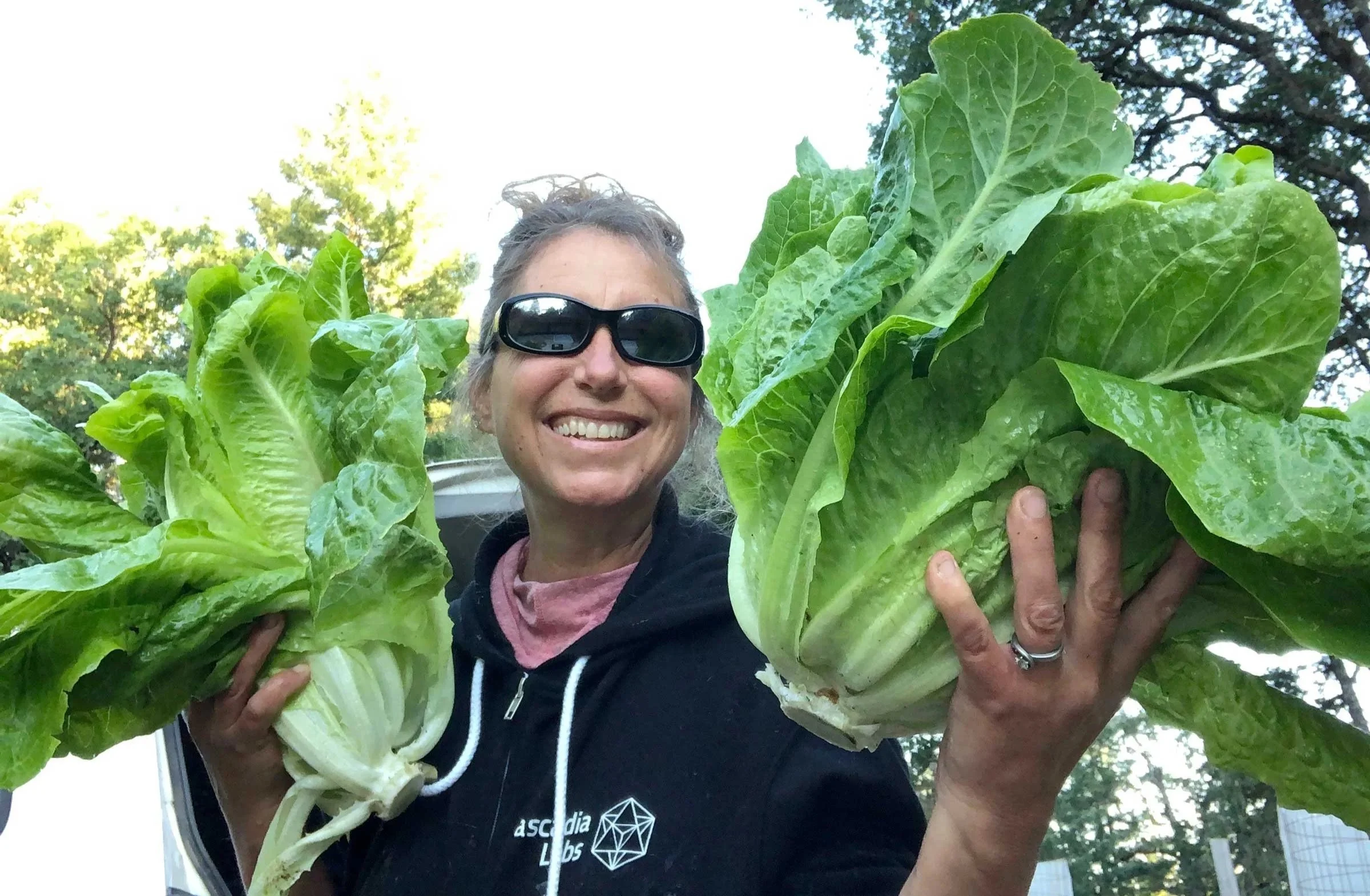
Cathy holding just-picked escarole
Anyone who tries their hand at homesteading quickly realizes it requires a specific set of characteristics to do it right. Fortunately for Bill and Cathy Brown, the pair have the necessary qualities for creating a functional and somewhat self-sustaining home on formerly wild land: brains, brawn, and the willingness to learn and master a wide variety of skills.
The property sits 4 miles outside of Willits on Highway 20 and was purchased by the couple in 1998. The same year, Cathy began a 10-year stint in Ukiah schools. Bill, a licensed contractor, built custom homes around the county, working on their own property in his “off time.” From the roads to the water system, the off-grid solar, and the home itself, Bill and Cathy created a little slice of heaven with their smarts, strength, and a whole lot of can-do attitude.
While Bill focused on infrastructure, Cathy‘s efforts went to growing things. The garden, located in a 5-acre fenced orchard of fruit trees, provided fresh produce for the family.
Cathy didn't always love vegetables. When she was a child, her mother despaired over the green beans she left untouched on her dinner plate. Then one day, when visiting a neighbor, she was handed some fresh string beans just plucked from the plant. “I ate them right off the vine and loved them,” Cathy recalls. “I always had them raw after that. That was my first real memory of being interested in growing food—experiencing the fresh and delightful flavor of food picked right off the vine.”
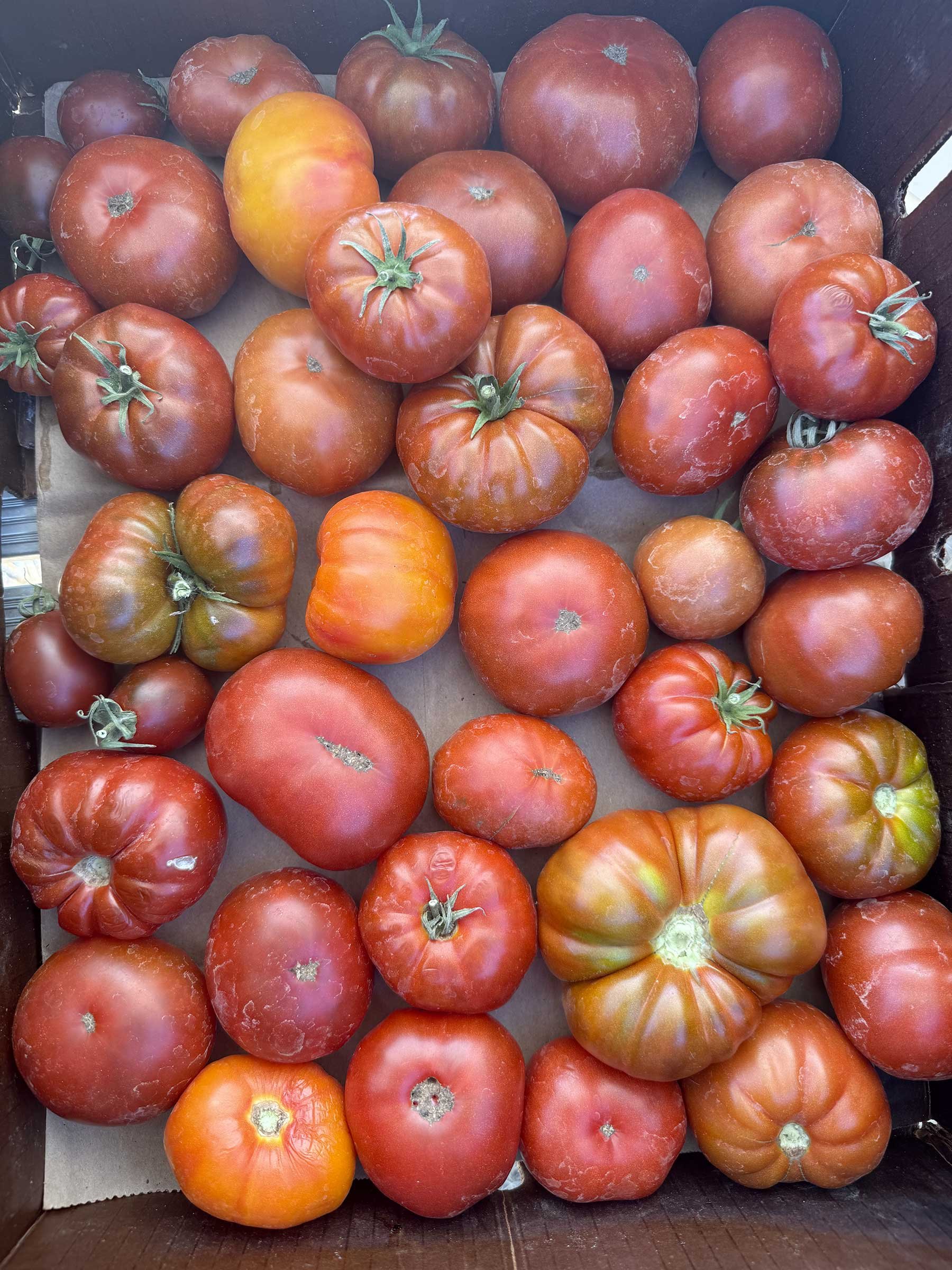
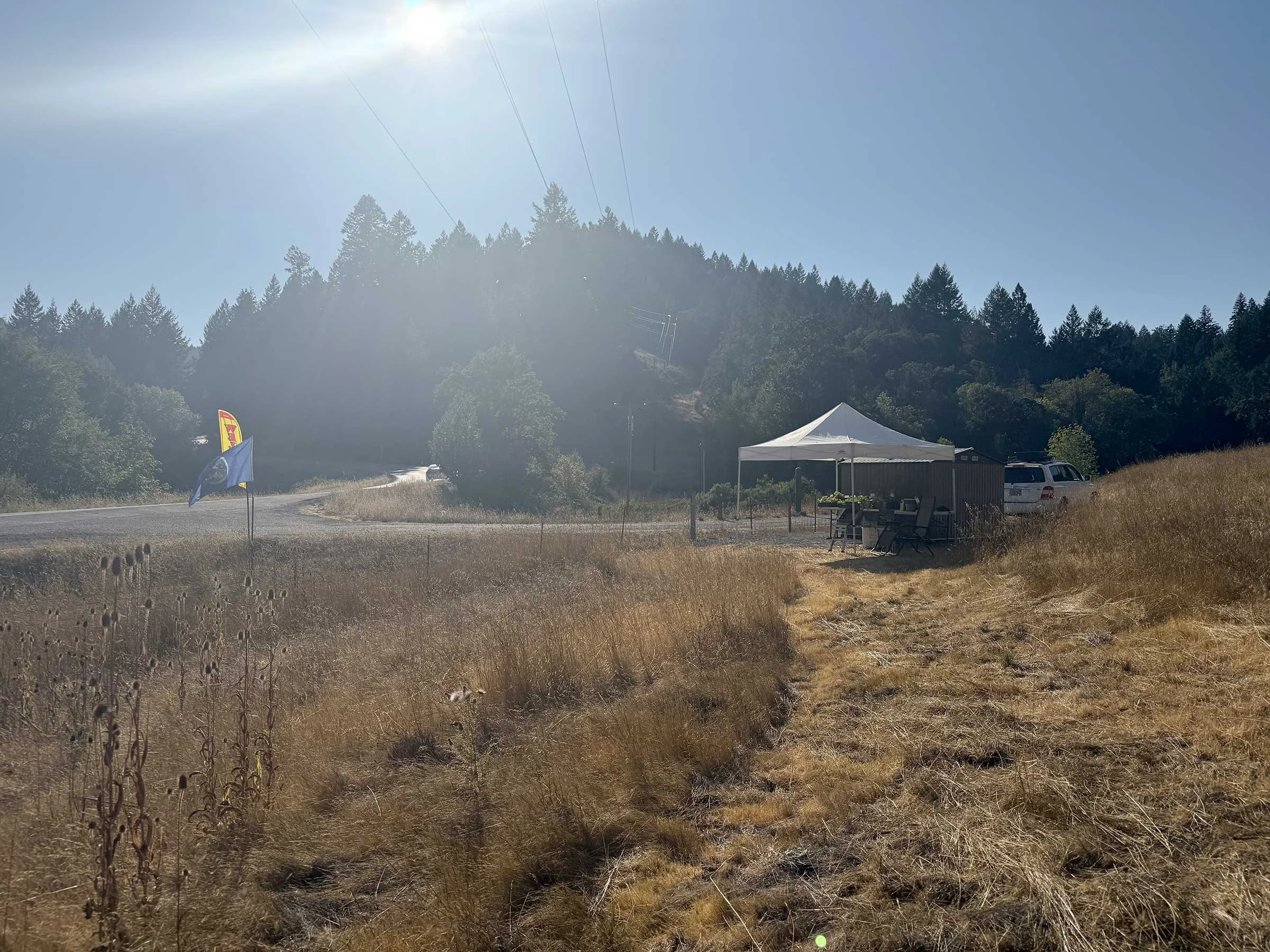
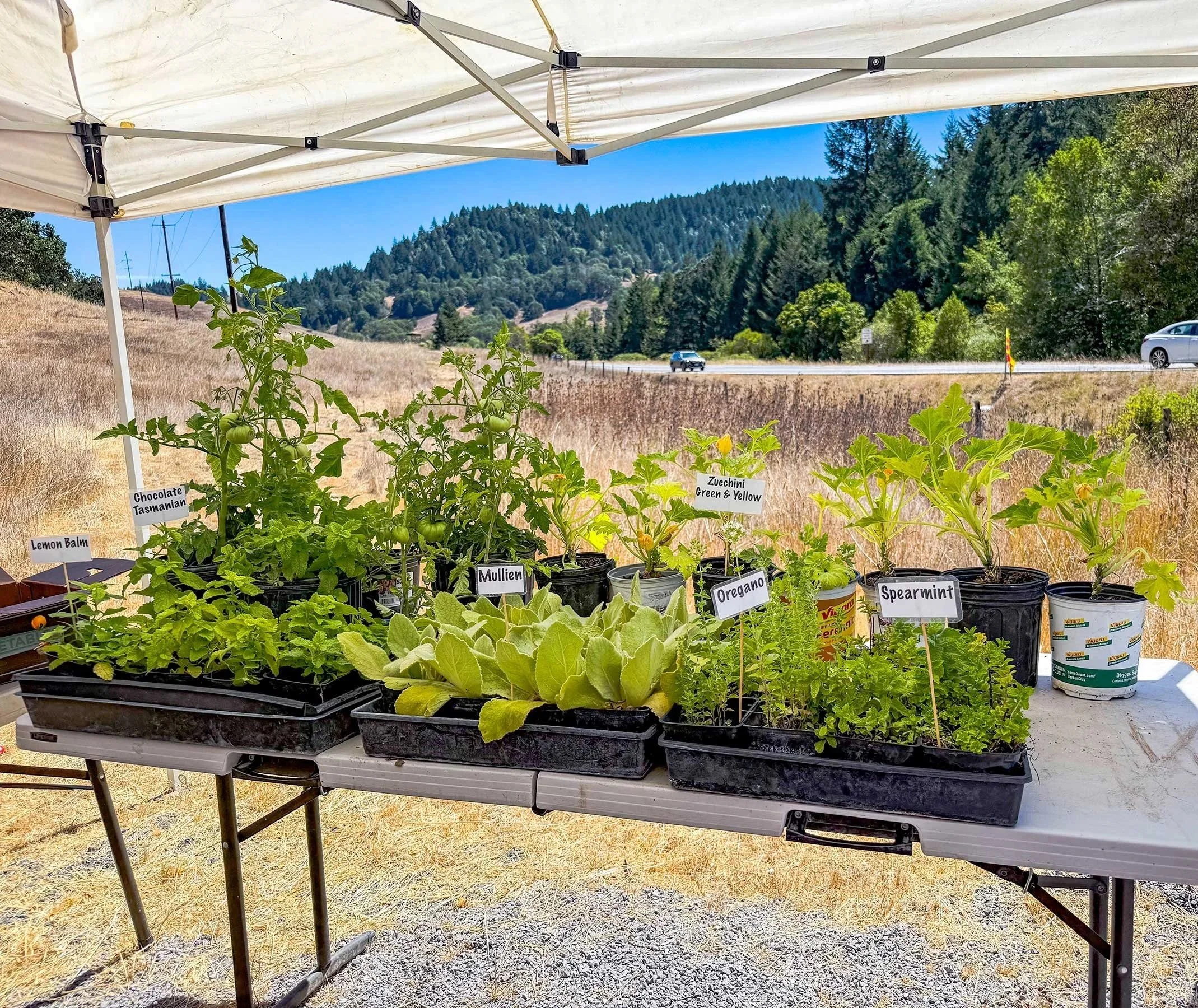
In 2014, a few years after she had retired from the school district, Cathy began growing in earnest, selling produce to local restaurants and grocery stores. She tried farmers markets as well, but found that she did not earn enough to make the fees, transportation, setup and teardown worth the effort. As the economics of the county changed, a number of the restaurants that bought Cathy’s vegetables shuttered, and her wholesale accounts dwindled. Always ready to pivot, Bill and Cathy built a small farm stand along the highway in late summer 2025. “I make more money and the customer pays less if I sell to them direct,” Cathy says. “And everything is super fresh, usually just hours from the garden.” Customers even have the option to go into the garden and pick their own.
Everything grown on the property is organic. The micro-farm was certified by CCOF in 2017, but Cathy recently let the certification expire since the farm’s earnings are small enough that she can legally call her produce organic without it. When Azolla, a water fern, took up residence in the property’s pond, Bill and Cathy were not dismayed. The plant can be a bane to people who do not want it taking over their water feature, but for farmers, it can be a gift. The pair harvest it a few times each year and use it as their primary soil input, fixing nitrogen, increasing organic matter, and improving water retention. “It has everything the soil needs,“ Cathy shares. “And we add leaves and forest brush to add carbon.”
Cathy would love to add the orchard‘s fruit to the farm stand’s offerings, but most years the bears get to it first. Cohabitating with all the wildlife on their 160 acres is one of Cathy’s favorite things about living where she does. It also means they can’t have chickens because of the aforementioned bears, so instead she buys organic feed for a neighbor and gets plenty of eggs in return.
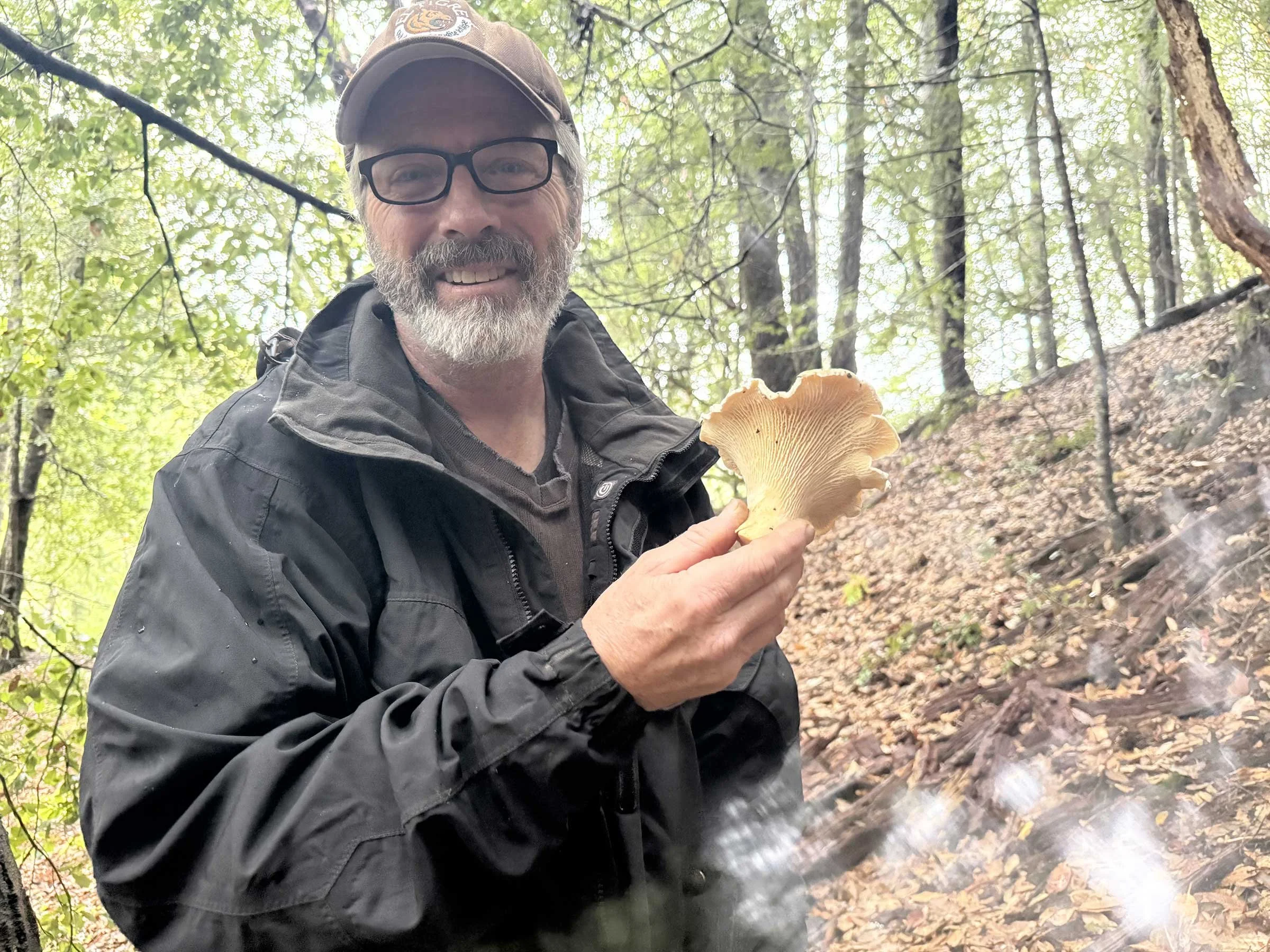
As a professional educator with over 25 years of homesteading experience, it’s natural that Cathy wants to share what she’s learned. She maintains a YouTube channel with videos that show her making tinctures or organic ice cream, and Bill changing a tire or fixing his tractor. People who stop at the farmstand can pay for a tour of the homestead with Bill, who will show them everything from the pond and garden to the solar electric system. Bill also provides coaching for those who want to build their own homestead infrastructure. In past years, Cathy has even given gardening lessons to anyone interested, including foraging excursions into their forest for mushrooms, herbs, and berries, depending on the season.
Cathy continues to teach, though now she does it online, working with a company that tutors students kindergarten to 12th grade. She’s mostly taught high school science and math, though recently she has shifted to helping second and third grade students improve their reading skills. She also takes care of the garden, keeps the farm stand stocked when it is open, and grows custom crops and livestock for clients. Bill maintains the systems he built, including the roads, water system, and solar electric system. In order to keep insurance affordable, he’s spent a lot of time thinning the forest as well.
In addition to the farm stand, the property offers a couple of HipCamp campsites, giving visitors a beautiful spot in the wilderness just 10 minutes outside of Willits. They also offer a doggy break for travelers through SniffSpot, a sort of HipCamp for dogs. People driving by on Highway 20can stop and take advantage of the beautiful trails to give themselves and their pups some fresh air and lovely views before hitting the road again.
Through creativity, hard work, and flexibility, Cathy and Bill have created a homestead that produces its own food and power. They share the land, its food, and their hard-won wisdom with anyone who asks. Nobody would call it easy, but if Cathy and Bill are anything to go by, building a homesteading life from the ground up can be empowering, fulfilling—and also rather delicious.
Farm to Family Homestead
4000 Hwy 20, Willits
farmtofamilyhomestead.com
Farm Stand Open May - October. Check website for hours.
Torrey Douglass is a web and graphic designer living in Boonville. She is a big fan of books and cats.
