Just Soup
Stirring Up Food Sovereignty & Better Health for Tribal Communities
by Holly Madrigal
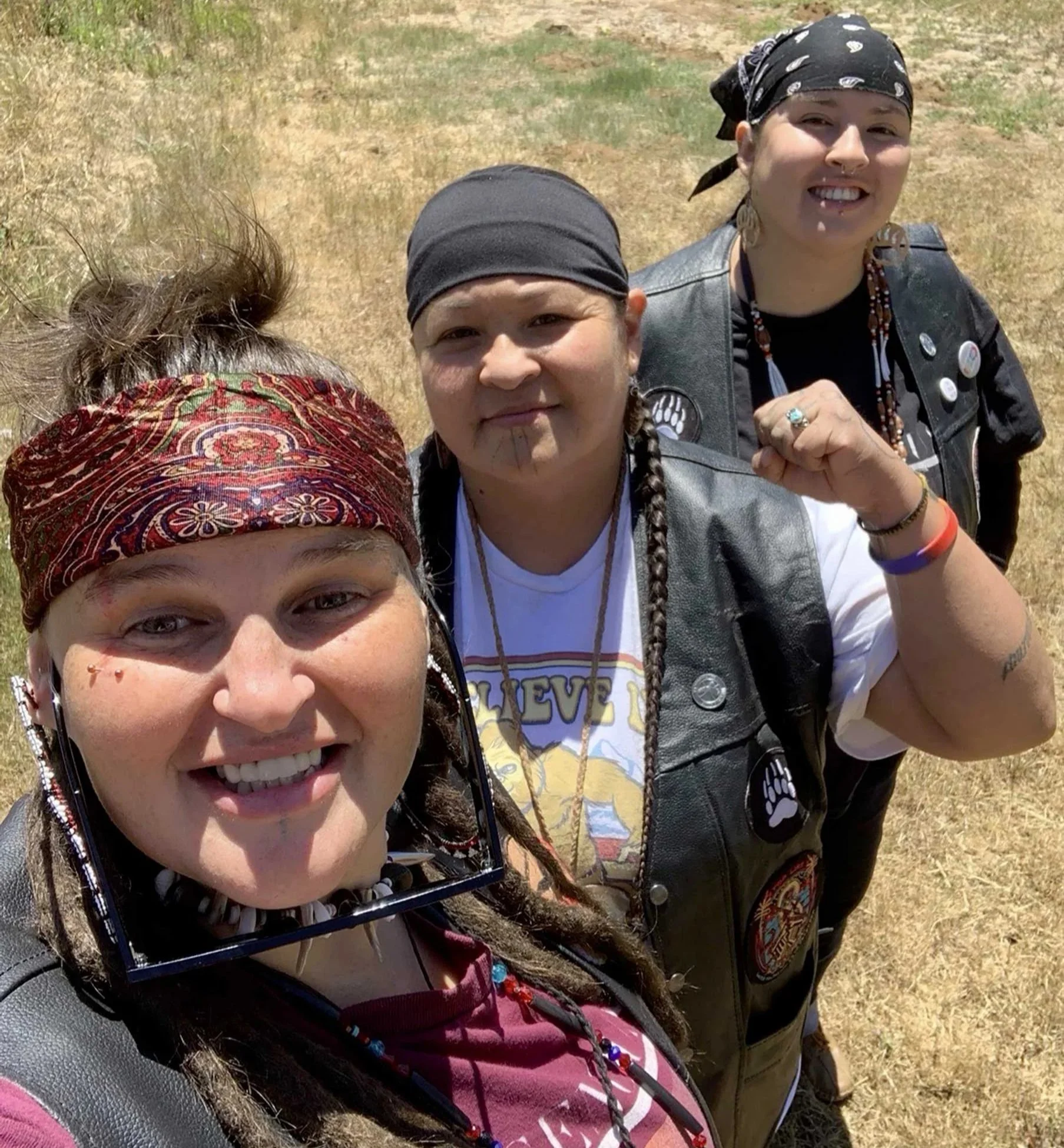
In 2019, Wojapi Twobulls was freshly sober and living in Sacramento when she saw a post on Facebook. Intense storms had paralyzed South Dakota, leaving many people on the reservations—who had few resources to begin with—stranded without food. Tanda Blubear, who was also living in Northern California, posted a request for help so she could bring food and other supplies to Natives living in the affected areas. Even though the two women had never met, Wojapi decided to join Tanda on the trip out to Wounded Knee. “We started by loading up the car in California to get as much food as we could and bring it out to the reservations in South Dakota and other states,” Wojapi remembers.
Thus began a multi-year effort to bring food support to fellow Indigenous people who need it. Later joined by Tatumn Starr, Tanda’s daughter, the three women completed numerous mutual aid runs across the country, developing a network of connections in the process. While the work was rewarding it was also exhausting, and two years ago the team took a break to recover from the burnout and stay with friends on the Mendocino Coast. “We had some wonderful people around us who fed us,” shares Wojapi. “They welcomed us into their homes and shared highly nutritious food.” The food quality on the road had been cheap and highly processed, taking a toll on their energy and attitude, while “eating this real food, we started to realize that our brains felt clearer, we were less tired. Eating the healthier food helped bring us out of the depression and hopelessness we were feeling.”
During that time Tanda discovered a fondness for freeze-dried candy, and inspiration struck. A number of the reservations the team had visited were exceptionally isolated, with residents sometimes living without refrigeration. Maybe Tanda, Tatumn, and Wojapi could prepare healthy food and freeze-dry it. It would be easier to transport and would last longer.
“We started from candy,” Wojapi laughs. “But when we realized we could freeze-dry healthy, good food, it could allow us to reach more people than we did before. Elders do not always have access to fresh food but we could bring this to them.”
Fortunately, the technology of freeze drying has come a long way from the MRE’s of the 1960s. “We did a lot of research. We started talking to people who were freeze drying candy and we found someone who had this machine that they weren’t using very much,” Wojapi shares. They tested many recipes and were encouraged when the freeze-dried soup was just as delicious when revived with hot water.
To make the project official, the trio formed Just Soup. The logo, which features an ice cube between the words “Just” and “Soup,” has multiple meanings. On one level, soup is a simple way to address food security needs for the Indigenous elders they want to help. On another level, “just” plus “ice” equals “justice,” indicating the deeper healing they hope the soup will provide. Many of the recipes use traditional ingredients that haven’t been in common use for generations. The knowledge around how to grow and use those ingredients, the jobs involved in producing them, and the physical and mental clarity that comes with a nourishing diet—are all part of the group’s overall goal to “Decolonize the Palate.” By reintroducing ancestral culinary practices, they hope to both nourish and empower tribal communities.
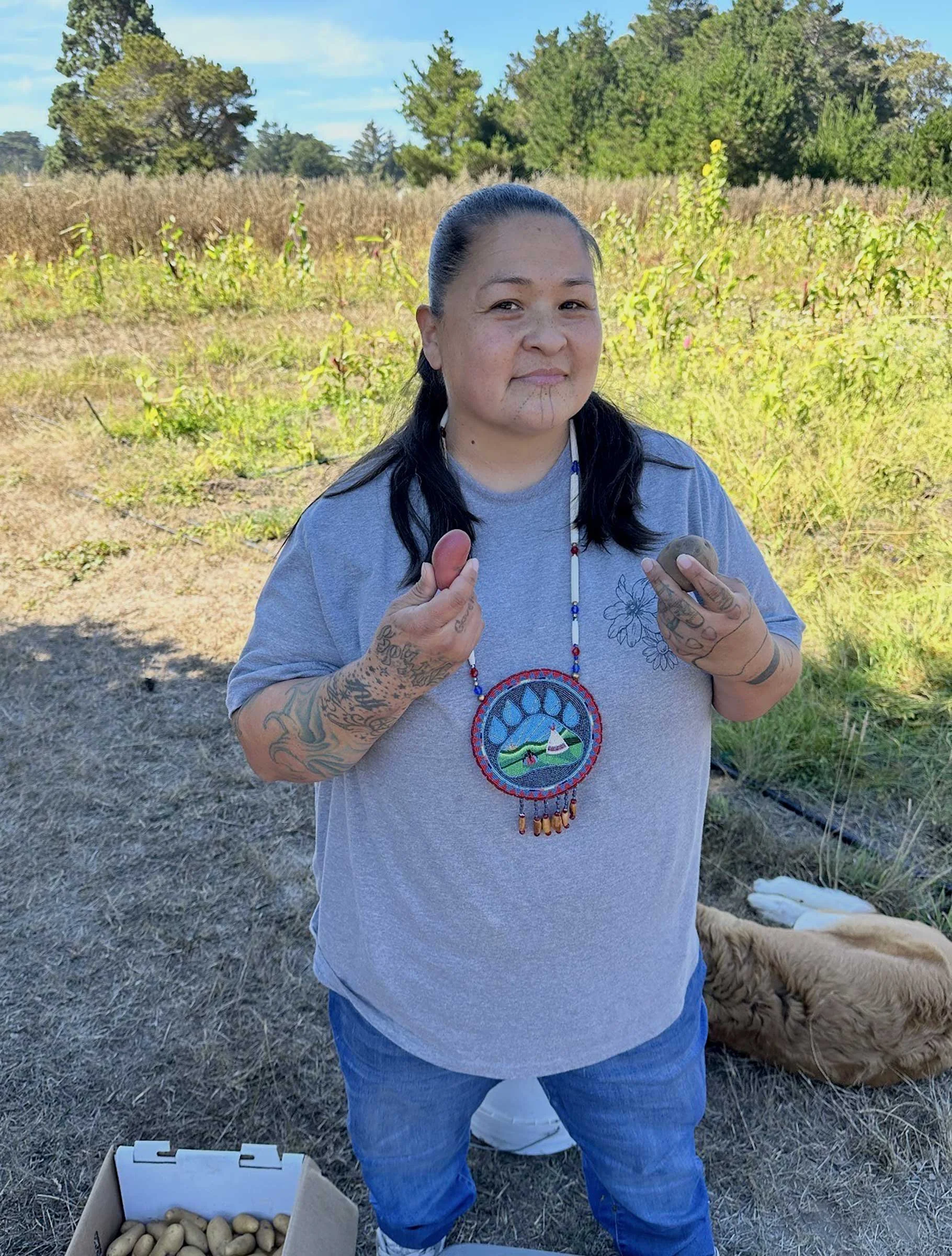
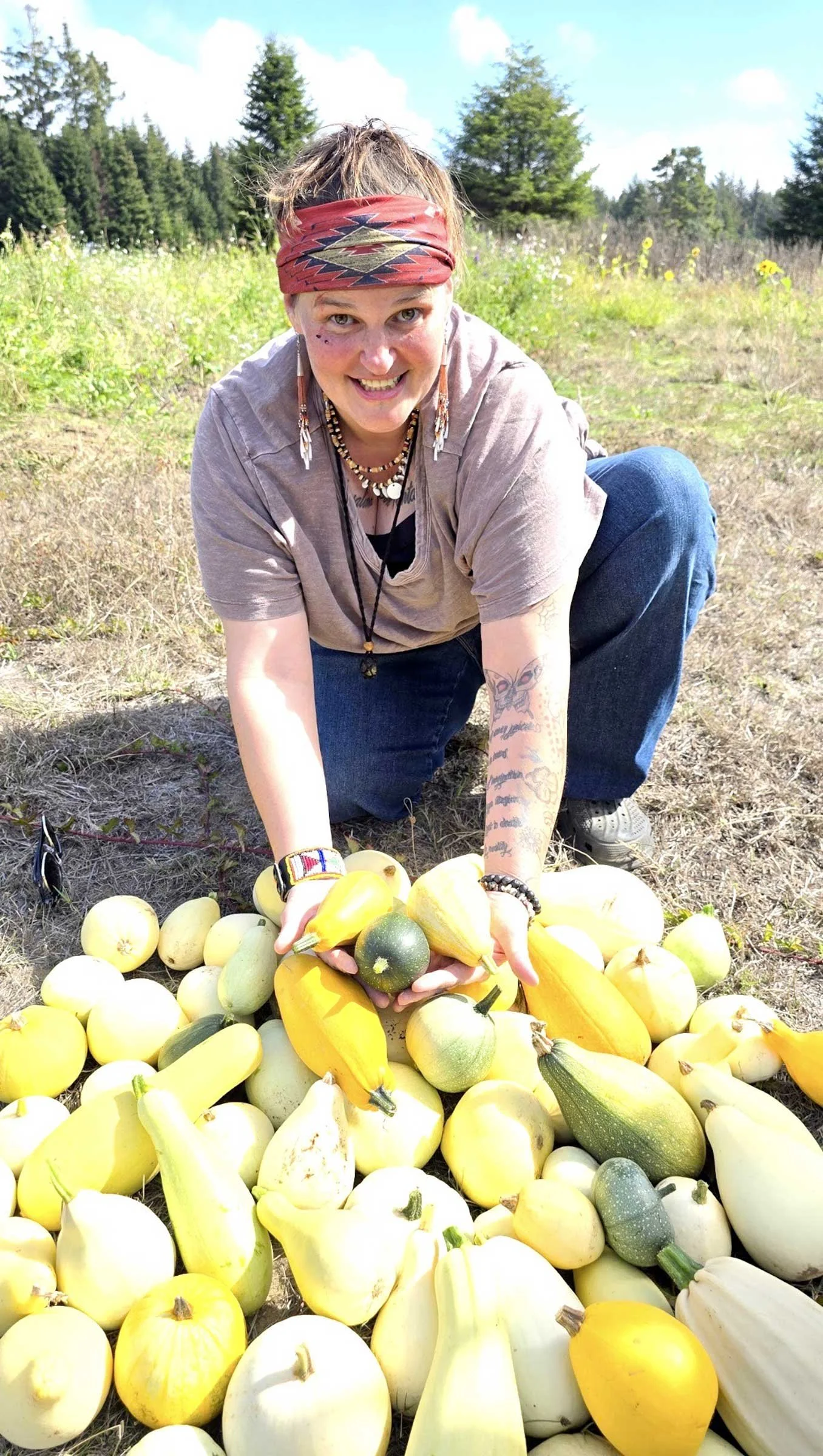
“Top Ramen and soda may light up your dopamine but starve your microbiome,” says Tanda. “We use ancestral foods your body recognizes instantly, like corn, squash, beans, salmon, and acorns. These ingredients have a cultural history.”
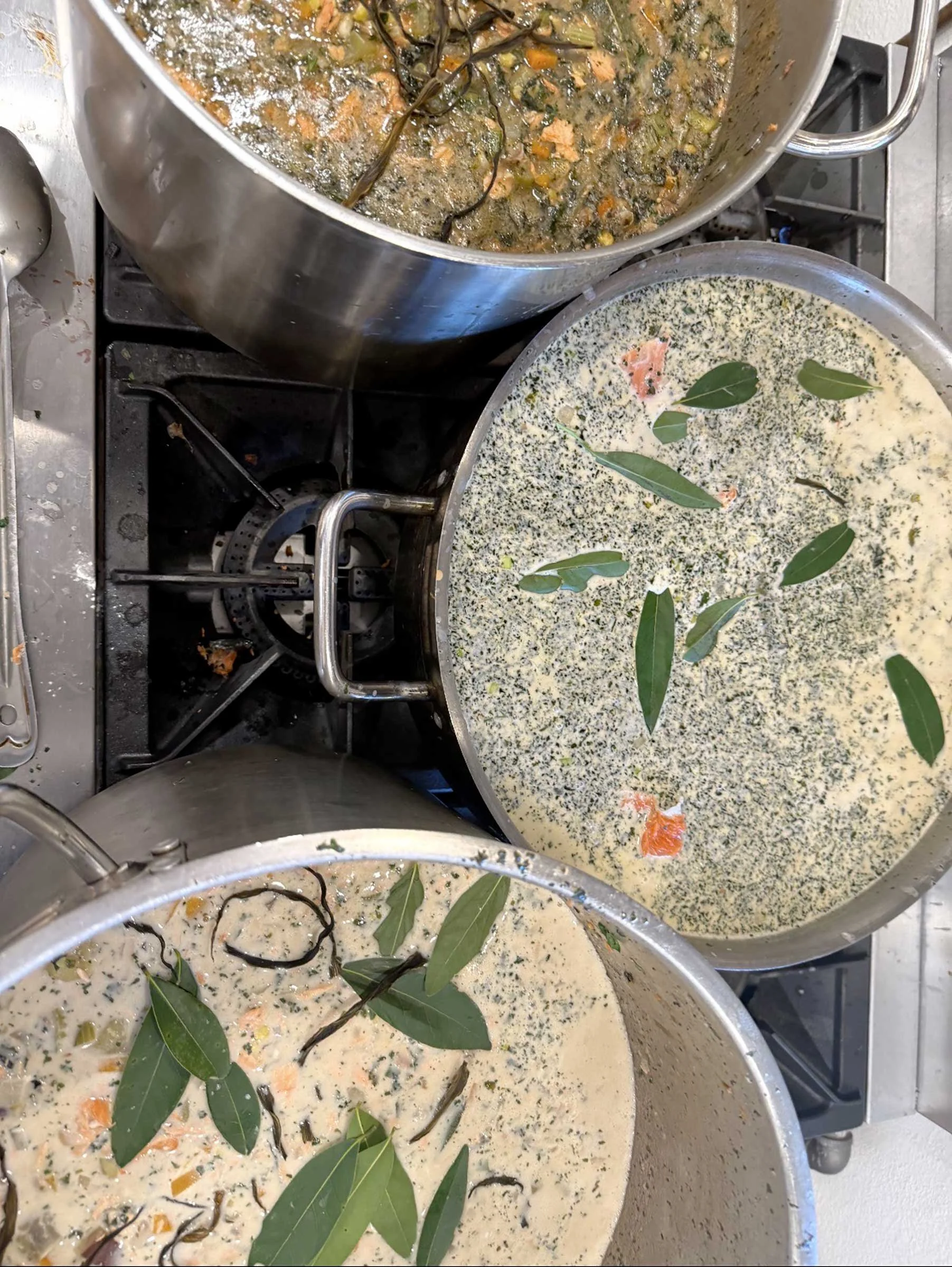
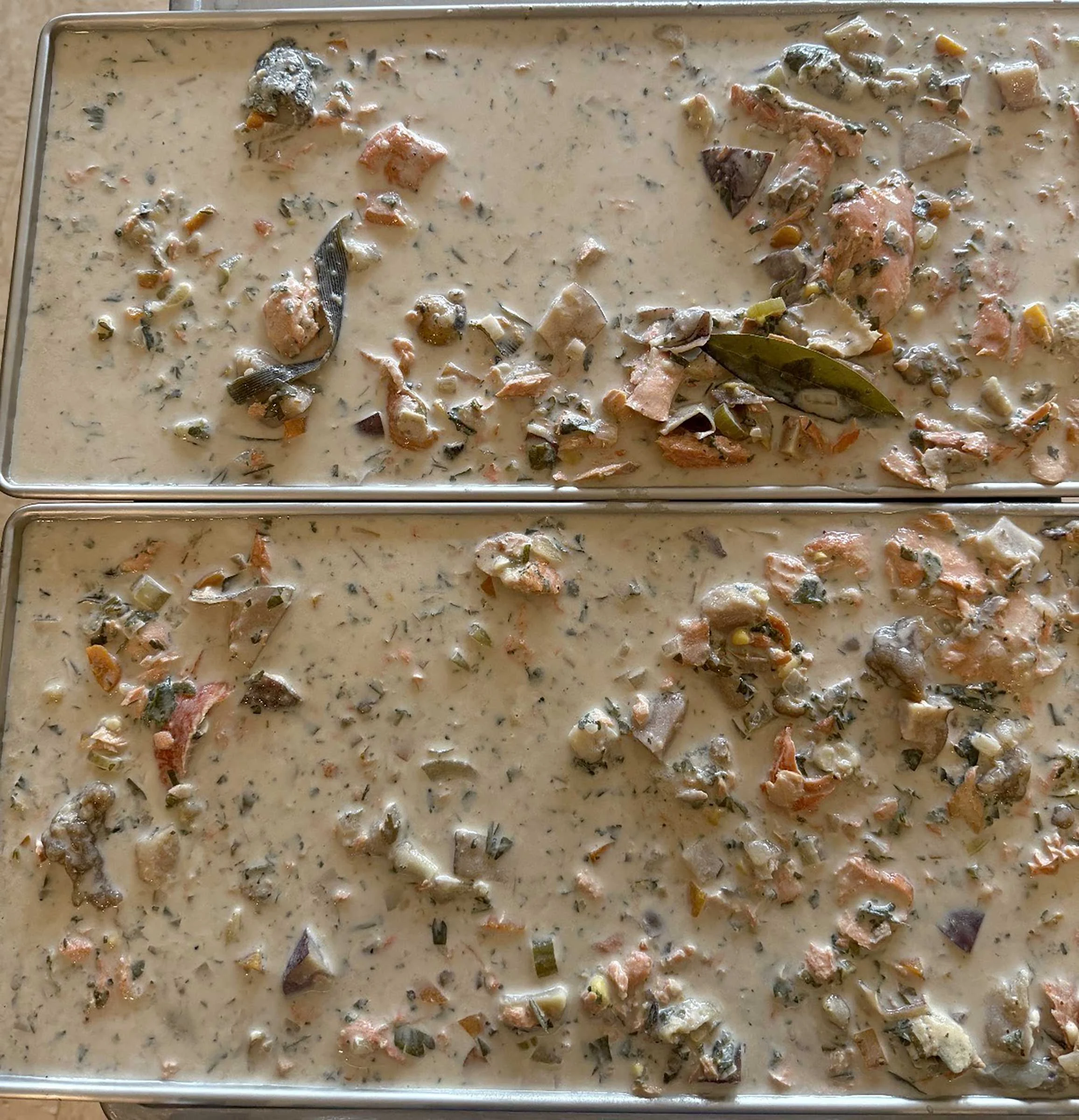
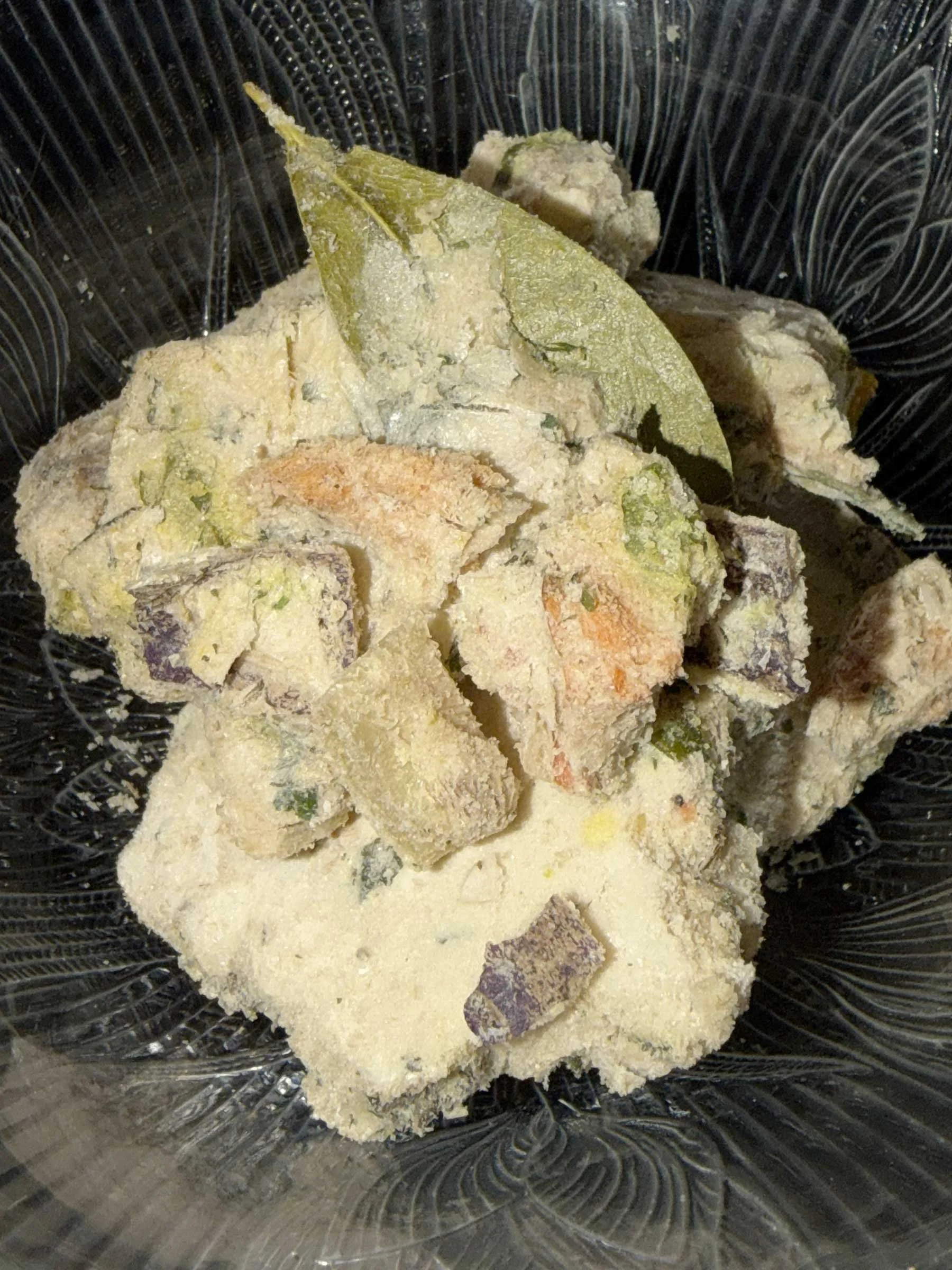
After they make the soup, the women spread it out onto a sheet and freeze-dry it. Then they break the dried soup into pieces so it fits in the package. It can be reconstituted with water and heated in a matter of minutes. Tanda says, “We are currently working on a goulash recipe for all the Aunties, Uncles, and children of Native communities, something we all grew up eating that carries the taste of our childhood, but made with nutrient-dense ingredients that fulfill both our comfort and our health at the same time. So keep your eye on the social media pages.”
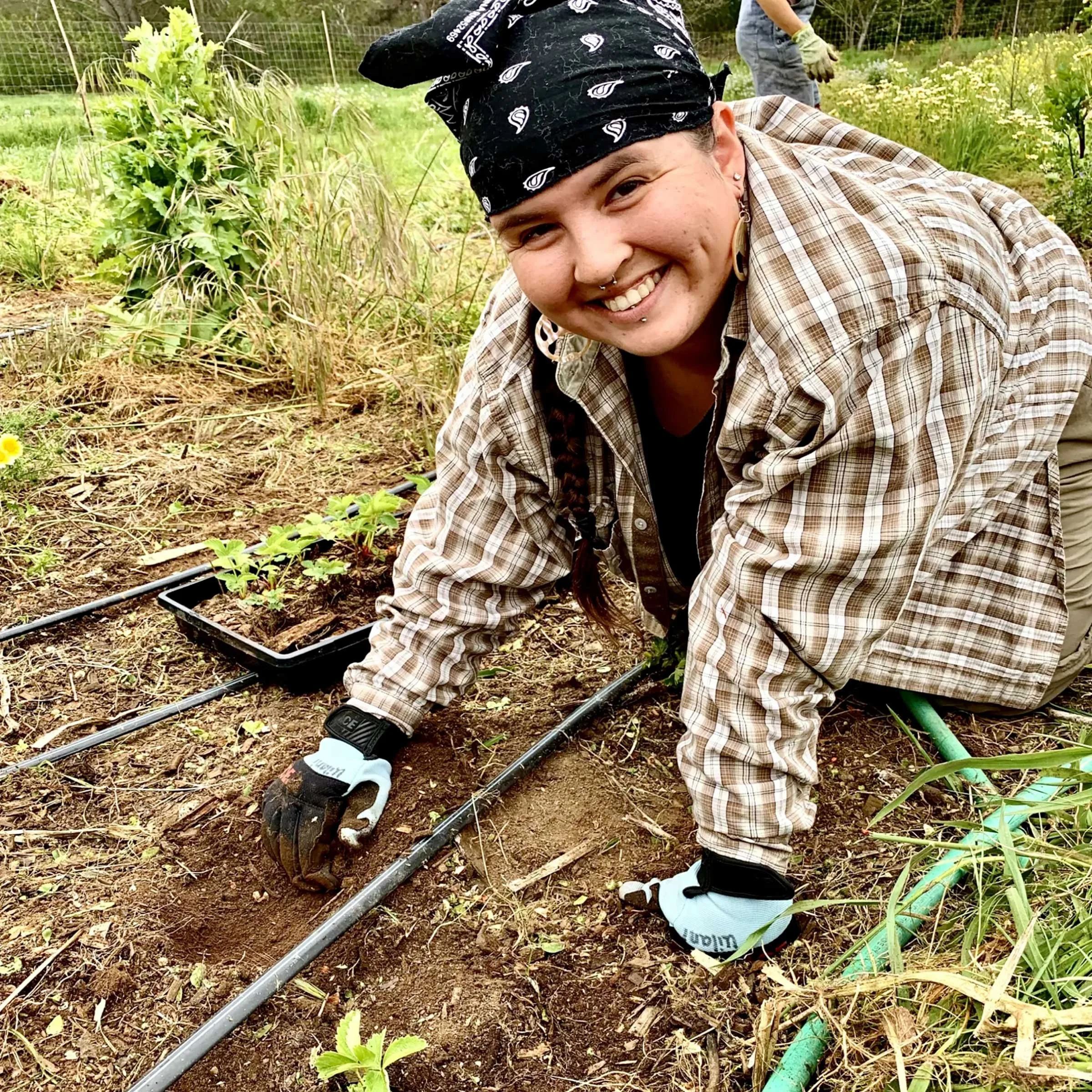
Just Soup collaborates with farms and other local organizations to help grow traditional foods from seeds that are adapted to the local climate. By expanding their knowledge of seeds and varietals through these relationships, they are re-introducing traditional foods, supporting their community’s health, and regaining food sovereignty. They were recently awarded a Catalyst Grant in partnership with North Coast Opportunities and the School of Adaptive Agriculture to continue developing their vision.
Tatumn Starr has taken the role of Education Director, expanding on the soup project by developing a comprehensive curriculum. The program will teach Indigenous people everything from the importance of microbiome diversity to the nutritional value of ancestral foods. “This curriculum will not only teach the importance of food sovereignty and decolonization of the mind, but it will give people the knowledge they need to inspire change for themselves and be able to pass that knowledge on to others,” Tatumn explains. “This is decolonization on the greatest scale. Once our guts are healthy, our minds hold no limits, we truly can be everything our ancestors were and more.”

Find out more including how to volunteer and/or donate at just-soup.com.
Holly Madrigal delights in sharing what’s great about Mendocino County. She enjoys meaningful work with the Mendocino Land Trust and publishing this magazine.
Photos courtesy of Just Soup.