The Accidental Forager
Early Days of a Mushroom Hunter
by Richard Gregory
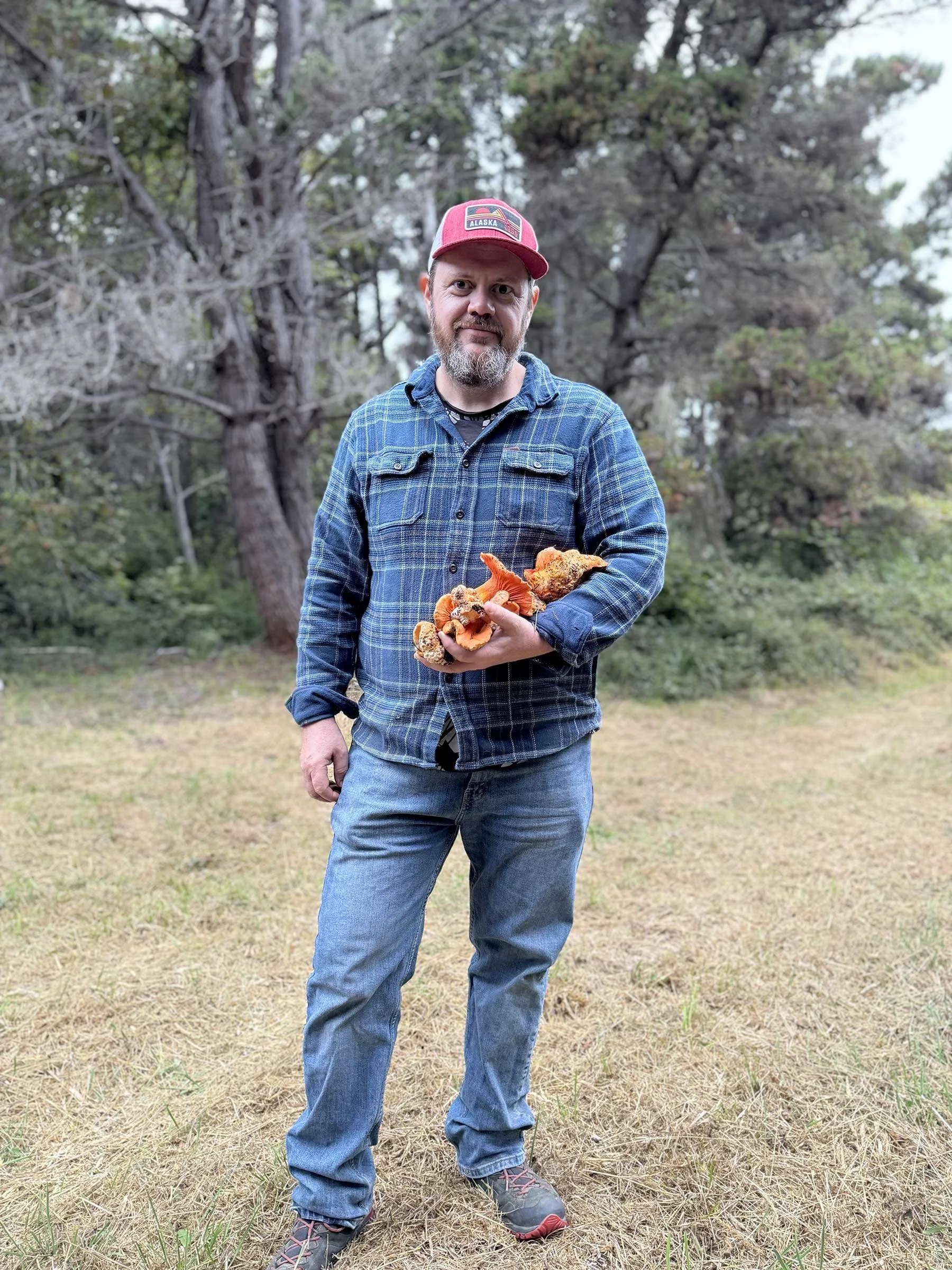
The forager in the field
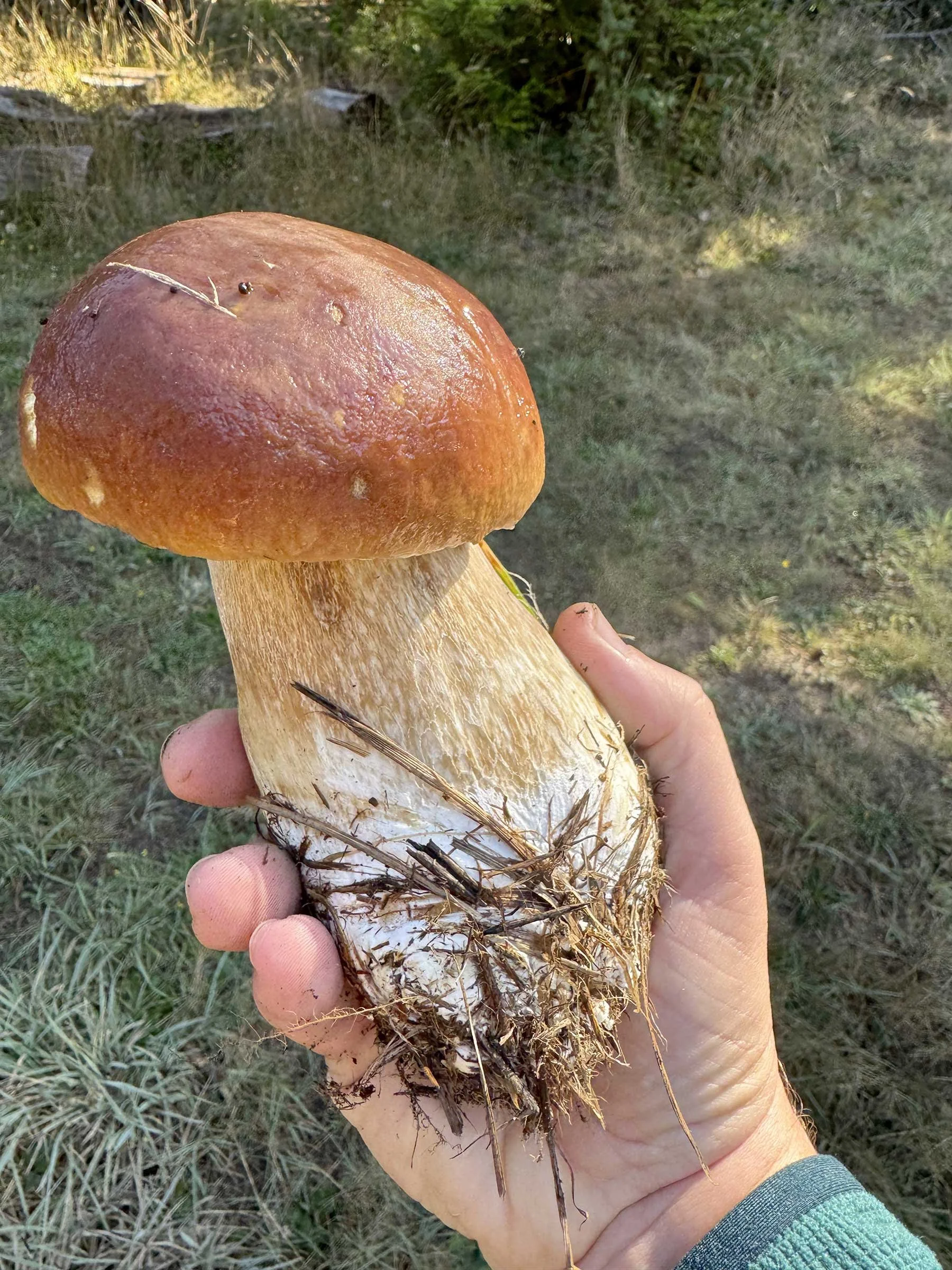
Finally, there it is. This single, solitary mushroom could be the key to unlocking my new heroic identity ... or possibly Poison Control’s next victim. This mushroom—a hedgehog, I had only just learned—was to be The One. My first. At last I’ll break the seal on my latent survivalist identity and I’ll become one of THEM. A Forager. No longer just a hopeful byline on my social media profile, but an actual honest-to-goodness forager. Able to confidently search for dinner amongst the trees and return home a hero, bearing priceless forest treasures for the table. The taste of glory is already on my lips. The taste of mushroom, however, is still uncertain.
Not a week before at this same spot in the forest I had spotted a big, fat mushroom and pulled it up for inspection. The underside was strange—a bunch of furry things like tiny white stalactites in place of the gills I was familiar with. It didn’t look anything like a mushroom and couldn’t possibly be edible, or so I thought, and I tossed it away into the trees.
Further on in the meadow I found a black, mouldering tower of a thing with bizarre crevices that looked like black death. I recoiled before continuing on past a patch of things that resembled jellied earwax. It occurred to me that mushroom hunting is going to be a lot harder than I thought. All these toxic-looking fungi were cramping my style. I was searching for mushrooms, not alien life forms.
But that was before the discovery of the hedgehog mushroom, which now sizzles promisingly in the pan. Before, I was just some guy, buying mushroom-themed mugs and candles to signal how in touch with the earth I am. Now, I’m an expert. A survivalist. After this, I could go at least two full days in the wilderness without tapping out. Surely I could find enough mushrooms to stave off starvation. Perhaps some lonely outdoorsy girl will hit me up on my Instagram and remark on my expertise. We’ll feast on wild mushrooms every night and wash it down with some kombucha. This mushroom thing could be just the ticket.
The phone rings, shattering my daydream. It’s my mom. “Richard,” she says. “Be careful! You could die from eating those things, you know.” I know this, of course. Who doesn’t? Another ping. “Better get a second opinion,” my sister says over the family WhatsApp group. “You need an expert to confirm it.” I don’t know an expert. I am, I think, the closest thing to an expert that I currently know. But I have books—a lot of them—including one titled How to Forage Mushrooms Without Dying. After reading this short book cover-to-cover, I am reasonably sure that I will not die from eating this hedgehog. “Don’t eat that!” my dad chimes in on the group and links to an article about mushroom poisoning.
By now, the doubts are starting to pile up, along with my paranoia. It’s just one damn mushroom, but now it’s ignited something of an existential crisis. There it sits, cut into thin strips and sizzling in butter, exactly as instructed to do by the experts in my books. But instead of emitting delicious vibes, it’s starting to look like a sauteed funeral. Do I dare? Would it mean glory or certain death? Or maybe just a hard night of vomiting. I don’t know anymore. One thing is for sure: I’m not giving any to my kids. They don’t look in the least bit impressed by my culinary efforts anyway.

I’m not alone in my emotional investment in foraging. There appears to be a certain cultural zeitgeist happening now around finding your own food, particularly mushrooms. You can see it in bookstores and gift shops anywhere you go. After Covid reminded us all of the fragile nature of our existence and why it might be unwise to cluster together helplessly in big cities, many of us began fantasizing about a life better lived in remote places where a person can gather their own resources in the fresh air instead of rushing through the supermarket with breath trapped behind a mask and hands compulsively reaching for the sanitizer.
Beyond the obvious allure of being able to do it yourself—as with kombucha, sourdough starters and the like—the mushroom casts a unique spell over us. In The Comfort Crisis, author Michael Easter claims that modern life has become too comfortable, and this abundance of convenience, ease, and safety is actually making us weak and unhappy. Perhaps the humble fungi offers us a way to test ourselves and our risk tolerances, pushing us outside of our comfort zone and somehow making us feel just a little bit more... human? There I was, sweating over a mushroom when it hit me: the risk wasn’t in the hedgehog itself, it was in breaking out of the comfort zone that told me to put it down and grab a frozen pizza instead.
After the first bite of the slightly crisp and well-buttered hedgehog, my defenses gave up and I ate way more of the mushroom than I originally intended. It was absolutely delicious. I’m committed now, I thought, might as well go out with a good meal! I ate it all.
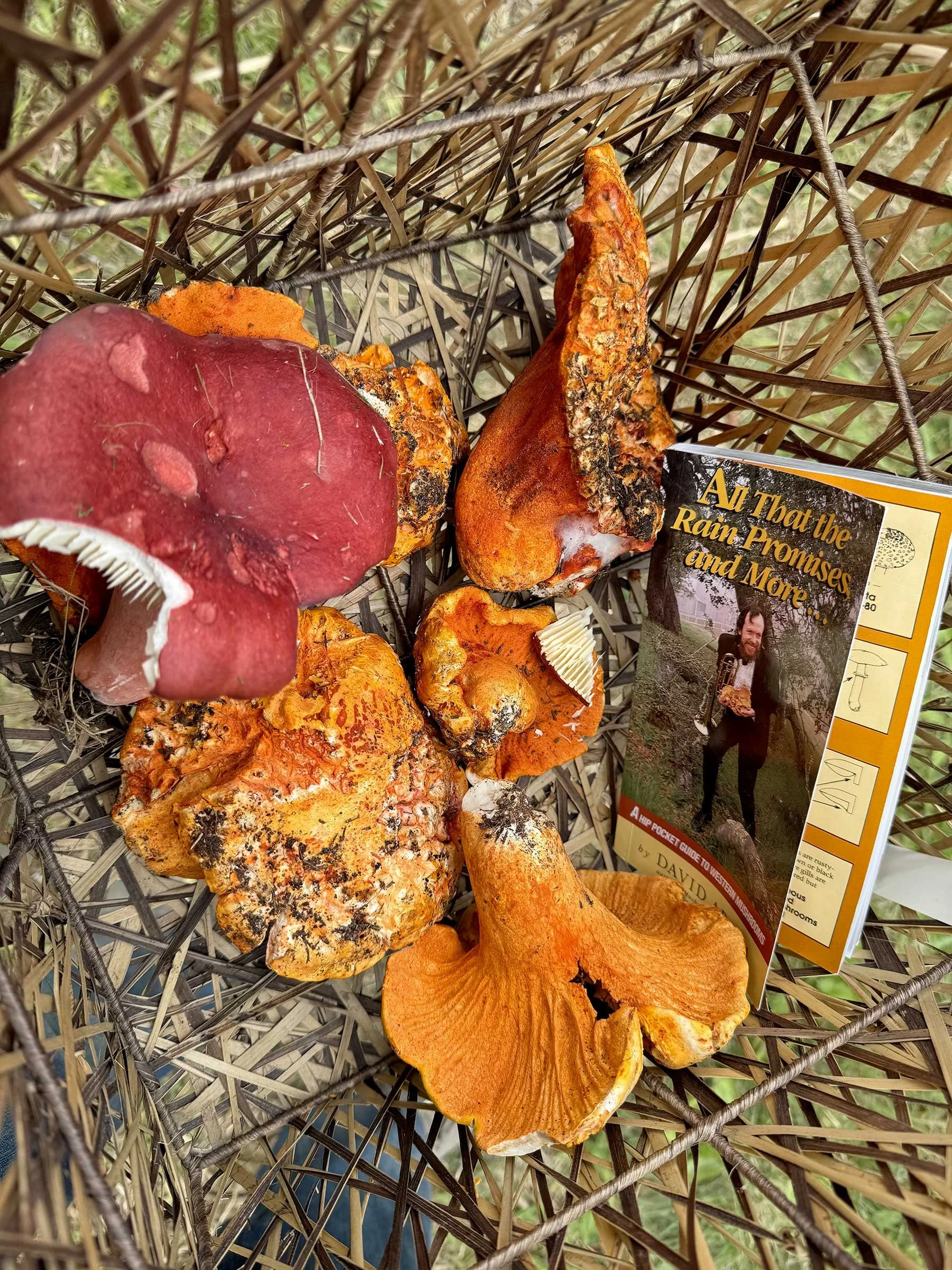
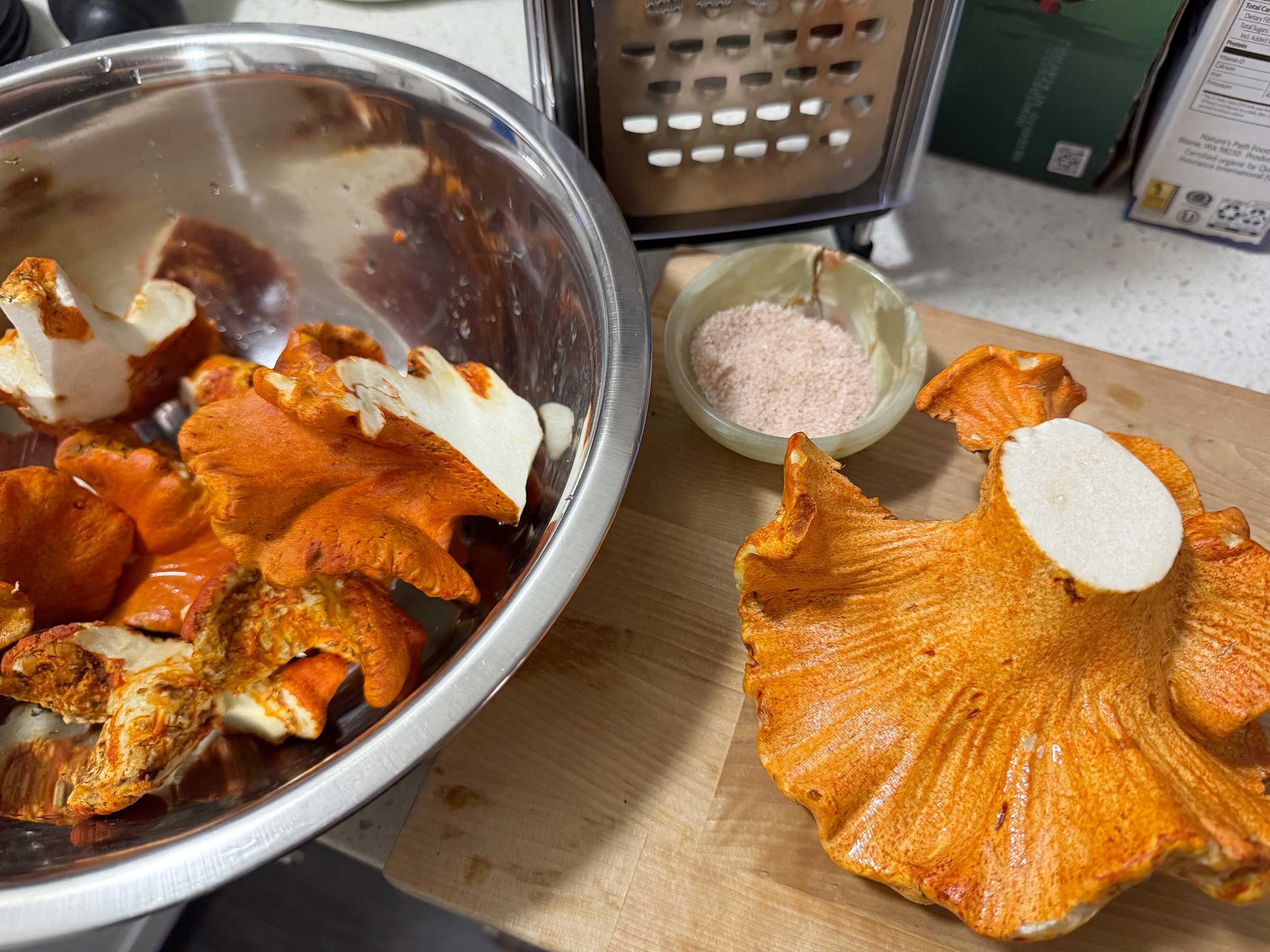
That hedgehog led to a lobster, the lobster led to a candy cap, and with each mushroom I conquered, I felt stronger and more capable. “Life involves risk,” is a universal expression, one I never understood more deeply than when I started to forage for mushrooms. Because Michael Easter is right. Not everything should be safe, not every surface smooth, not every corner rounded. Only through struggle, through challenge and risk, do we really understand the nature of our existence and see the world as it truly is—and our place within it.
This fragile life we’ve been given is full of risk. The road is winding, bumpy, and full of potholes we never see coming. None of us ever really knows our destiny. But maybe—just maybe—I would rather mine came sautéed in butter.
Richard Gregory lives on the coast and is now locked into a lifetime of learning at his organization, Practical Intelligence—practical-intelligence.org.
Photos by Richard Gregory