The Spirit of 1976
Celebrating 50 Years of Conservation with Mendocino Land Trust
by Anne Young
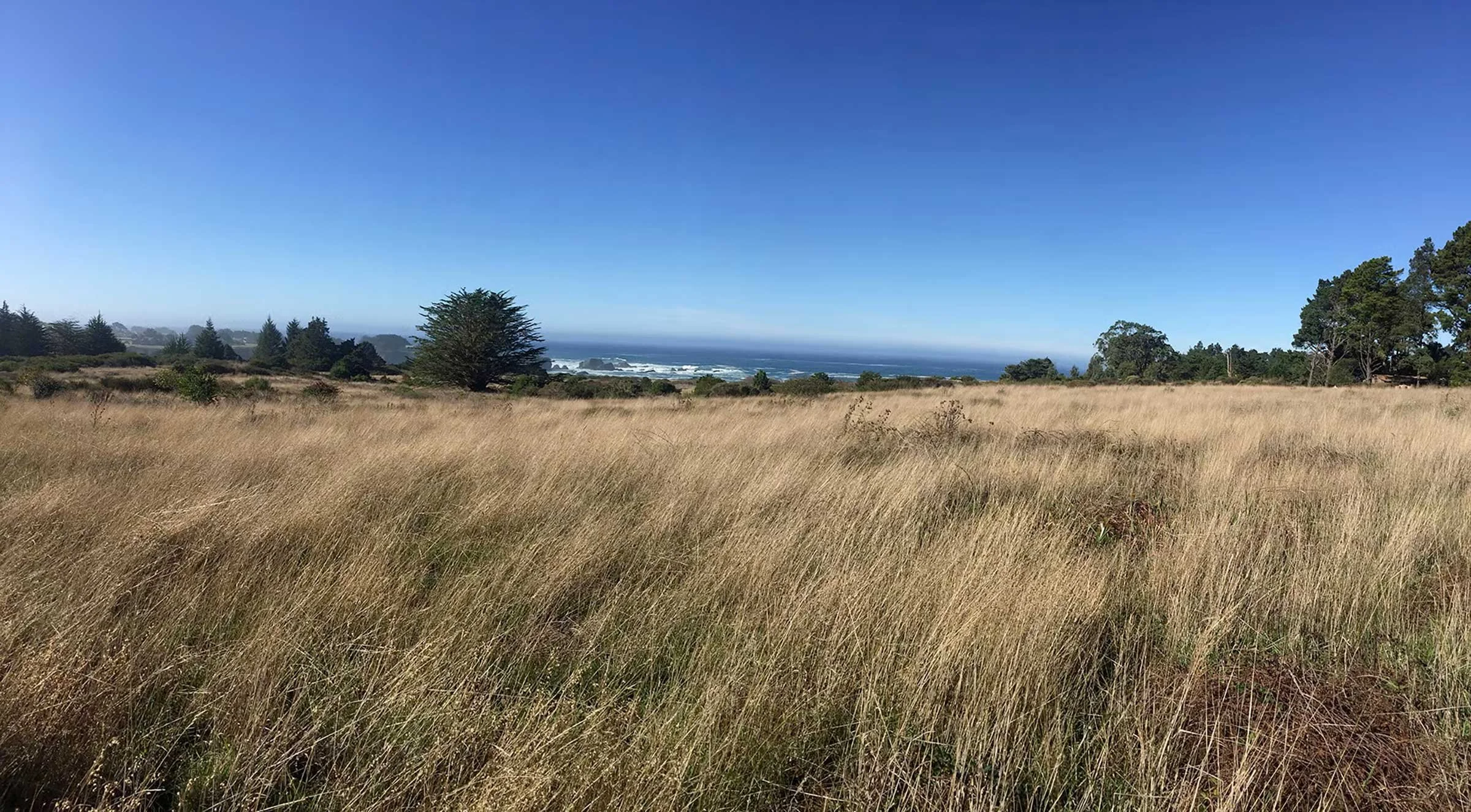
The Caspar Headlands were preserved by MLT and transferred to California State Parks.
Fifty years ago, California was a hotbed of activism, with tiny, remote Mendocino positioning itself on the front lines, both on the ground and on the seas. From the Mendocino Whale Wars—an anti-whaling campaign that spawned the first Whale Festival—to the founding of Mendocino Land Trust, the lore of the 70s and its thriving back-to-the-land movement are woven into the rich fabric of our proudly feisty community. This was the cultural and creative spirit that nurtured the early days of local conservation efforts.
In Mendocino County, folks were witnessing the frightening side-effects of the post-war boom years, and finally taking stock of the damage from clear-cut forests, heavy pesticide use in commercial agriculture, and the near-extinction of species on land and sea. Northern California was deeply invested in the world-wide movement to restore, repair, and re-center nature into our human lives. Back-to-the-landers asked, How can we untangle ourselves from industrialized life and suburban sprawl? The answers looked radical and felt liberating, and were found in self-reliant lives built by hand, usually out in the woods or on cheap lands, often former forests that had been intensively logged.
In the village of Mendocino however, another, quieter, conversation was taking place. It sought realistic goals for preserving open and unbuilt spaces for generations to come. In 1976, these kitchen table talks coalesced to become the Mendocino Community Land Trust. It soon registered as a nonprofit and operates today as the Mendocino Land Trust.
MLT’s first project sought to protect a two-acre parcel in the center of the village that was a beloved family gathering spot. It took years, but they did it. Heider Field is now owned by State Parks as part of the Mendocino Headlands State Park system. That success, coupled with the organization's signature perseverance, sparked the momentum to tackle the ostensibly impossible task of protecting the Big River Estuary and its irreplaceable habitats from impending logging. By 2002, MLT had done just that. Over 7,000 acres of the magnificent river, riparian lands, and pristine forest were protected forever.
Along the way, the MLT Board of Trustees broadened its vision to include the working lands of the county—small legacy farms, ranches, and vineyards—and the families pushing back against big ag and commercial development. Hardworking generations of families wanted to preserve not only their land, but also their way of working that land and the diminishing culture of sustainable small farming.

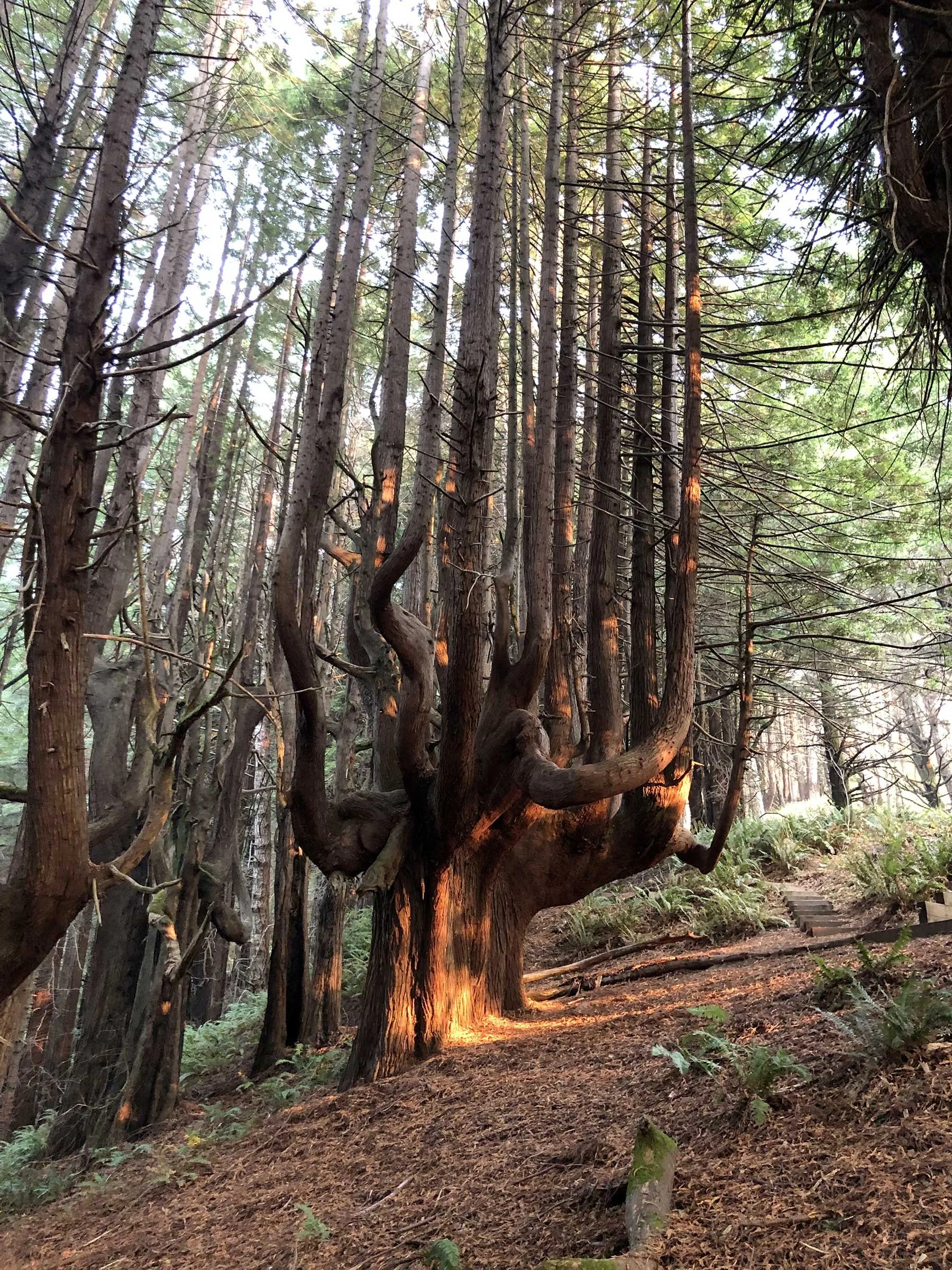
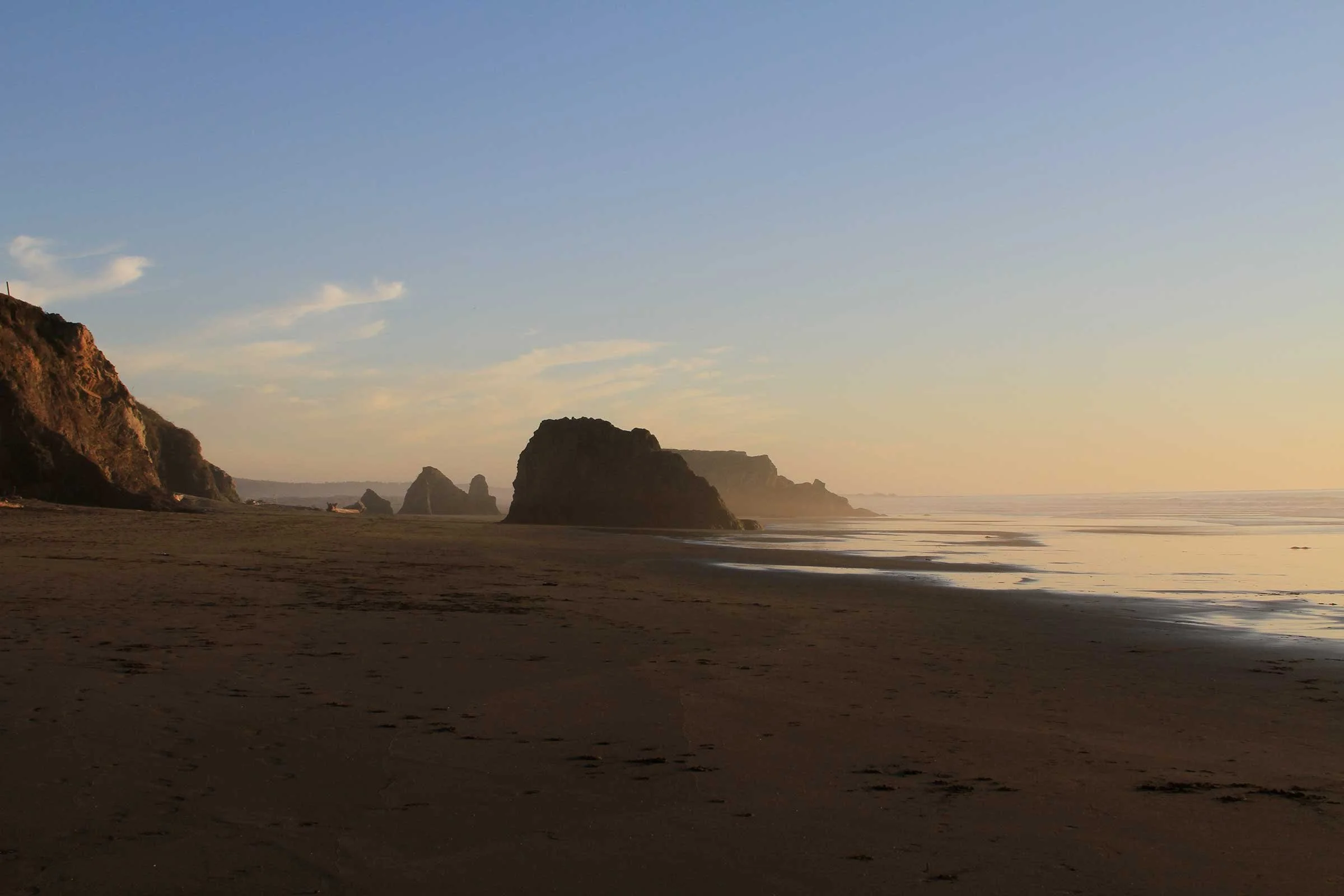
While MLT’s most visible conservation wins are its coastal access trails and preserves, 79% of the 40,000+ acres of land conserved by the land trust is privately owned and not open to the public. These lands are protected by conservation easements—legal agreements that protect natural habitats, open space, and agriculture by permanently limiting the uses and future development that may occur on a property. While the land continues to be privately owned and managed, it can never be subdivided or developed beyond reasonable limits.
Conservation easements not only safeguard Mendocino County’s open land for wildlife and agricultural productivity, but they also help to preserve generational knowledge, to make farming and ranching more financially and ecologically sustainable, and to protect the very character of our agrarian lands. Mendocino County is not immune from the hard economic realities facing farmers across the country. Through conservation easements, Mendocino Land Trust helps make sure that family farms, ranches, and small-scale vineyards can continue to operate sustainably in a changing world.
Easements are just one piece of the ever-evolving conservation landscape. Looking ahead, themes of MLT’s ongoing work include rematriation of the land—actively building programs to open and increase real opportunities for tribes to access and own land for cultural use and stewardship.
MLT also works to acquire land to return to tribes through projects like Bell Point in Westport, acquired by MLT in 2025. This 157-acre parcel will be opened for permanent public access and returned to tribal ownership through Kai Poma, a tribally incorporated nonprofit representing the Sherwood Valley Band of Pomo Indians, the Round Valley Indian Tribes, and the Coyote Valley Band of Pomo Indians. Additionally, MLT is exploring ways to enable young and underserved farmers to own and access working lands.
The spirit of 1976 lives on! Mendocino Land Trust will never finish the work that started 50 years ago, because the work was always meant to go on forever. MLT is not alone in upholding this legacy: two other regional land trusts, one in Sonoma and one in Napa, were also founded in 1976. Statewide, the passing of the California Coastal Act in the same year ensured the protection of the California coastline from mass urbanization and development, as well as codifying the right to public access to our beaches and awe-inspiring coastline.
There will always be forces challenging our agricultural community, our oceans, forests, and open lands. MLT is here to protect the quality of the land and life that defines this staggeringly beautiful place we call home.
To learn more about Mendocino Land Trust, or support their work into the next 50 years, please visit their website at mendocinolandtrust.org. MLT hosts nature outings, offers monthly stewardship days, and volunteer opportunities throughout the year. Don’t miss MLT’s 50th Anniversary Community Celebration, happening on Saturday, June 20th, in Mendocino Village.
Anne Young is the Outreach and Communications Manager for Mendocino Land Trust. She arrived in Mendocino from the East Coast in 2016, fell in love with the place and its people, and hasn’t looked back since.
photos courtesy of MLT.
