Taste the Sea
Bringing the Kelp Forest Home
by Nathan Maxwell Cann
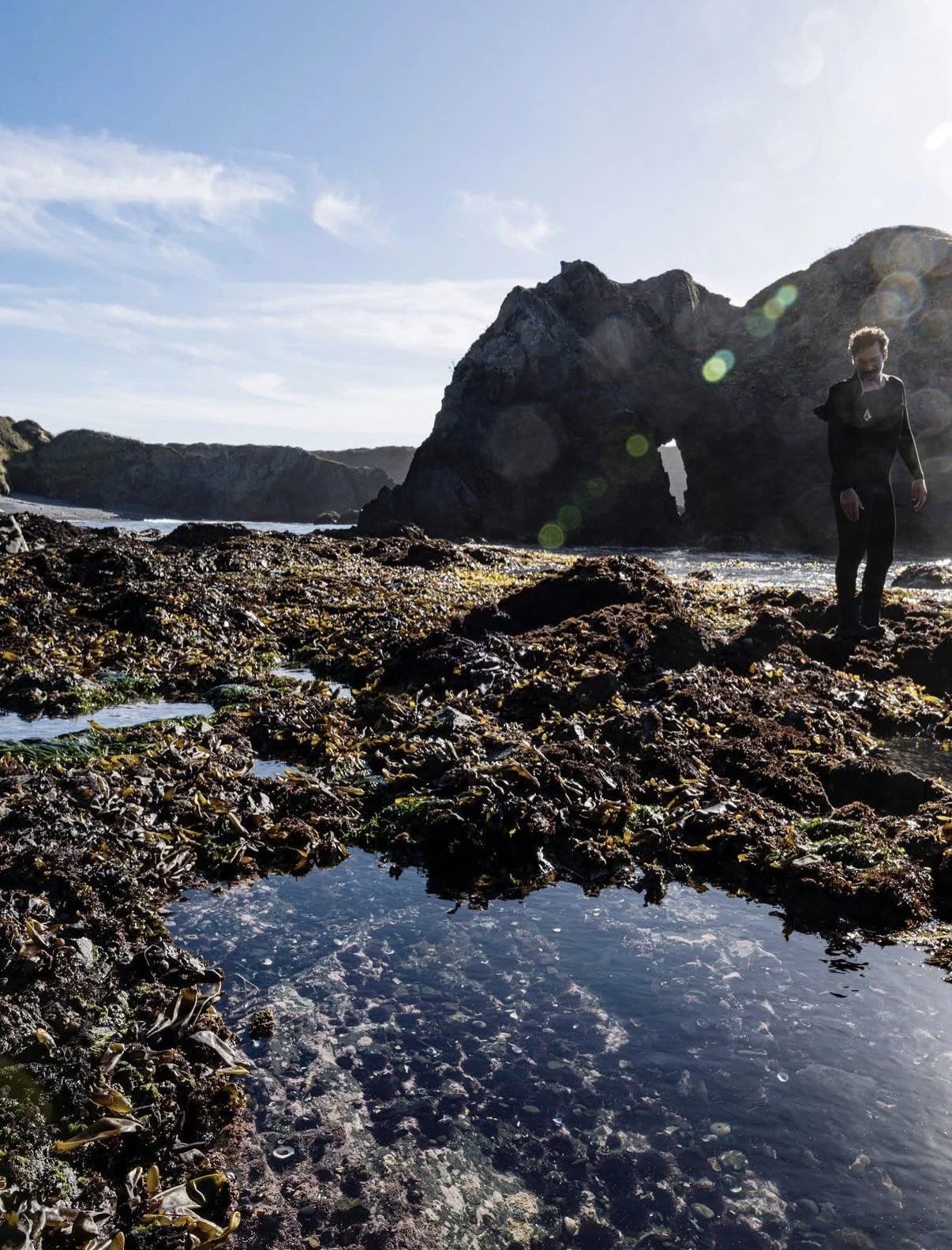
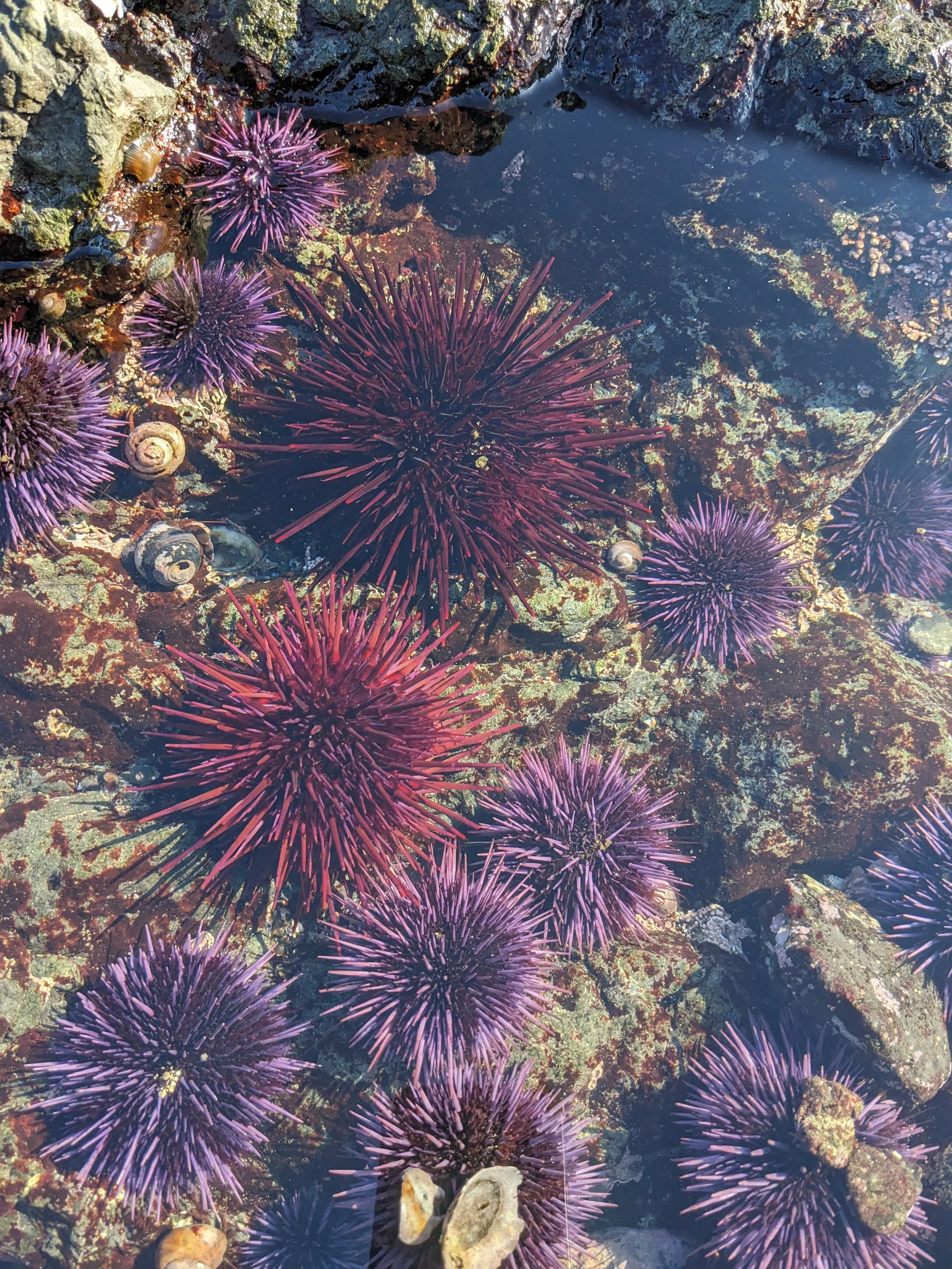
Fall is one of the most rewarding seasons to explore California’s North Coast. As the summer crowds fade and the first rains begin to stir the Pacific, the littoral zone becomes a living pantry. Seaweeds and kelp sway in the surge in gentle senescence, mussels cling to wave-washed rocks, and beneath the kelp canopy, purple sea urchins carpet the sea floor. For thousands of years, coastal peoples have gathered these foods with care. Whether gathered from the intertidal zone or purchased from a local harvester, seaweed and purple sea urchin offer an opportunity to bring the flavors of the Pacific into your kitchen while developing a deeper connection to the ocean that surrounds us.
If you’re inspired to gather your own ingredients, remember that the coastline is both generous and fragile. California allows recreational harvest of up to 10 pounds of wet seaweed per person, per day for personal use, and no special permit is required. Harvesters must still follow California Department of Fish and Wildlife regulations, collect only from approved areas, and cut seaweed rather than pulling it from the rock so it can continue growing. Purple urchin harvest requires a valid California recreational fishing license, and all harvesters should check current regulations before heading out. Above all, watch the tides, respect the surf, and never turn your back on the ocean.
If you’d like to learn alongside experienced foragers, divers, chefs, and marine scientists, join us for North Coast KelpFest!, October 9–12, in Fort Bragg and Mendocino. The festival celebrates California’s kelp forests through food, art, music, science, and hands-on experiences that connect people directly with the coast. On Sunday, participants can join our Guided Purple Urchin Harvest, where they’ll learn safe harvesting techniques, explore the ecology of the kelp
forest, and enjoy fresh uni right at the shoreline. Come taste the ocean, wander the tidepools with us, and discover that every handful of seaweed and every purple urchin tells the story of a changing coast and the people working together to help it recover.
Nori + Sea Lettuce
Seaweed is one of nature’s great superfoods. Packed with iodine, fiber, omega-3 fatty acids, vitamins, and essential minerals, it delivers remarkable nutrition alongside an unmistakable taste of the sea. Every species brings something different to the table. Sea lettuce is bright and delicate, Wakame is silky and mildly sweet, Bladderwrack has an earthy, savory depth, and Kombu is famous for its exceptional umami. Many seaweeds can be eaten fresh, but drying unlocks an entirely new dimension of flavor. As they dry, natural enzymes create glutamates, the compounds responsible for umami. It’s why a sheet of toasted nori smells so irresistible and why dried kombu forms the backbone of countless broths.
One of the easiest ways to bring seaweed into everyday cooking is with a jar of homemade Furikake. Traditionally sprinkled over rice in Japan, this versatile seasoning is tasty on anything—avocado toast, roasted vegetables, eggs, grilled fish, popcorn, or a thick slice of buttered sourdough. Think of it as your North Coast finishing salt. The nori (dried seaweed) provides deep umami, enriched by toasted sesame. Add some dried Meyer lemon peel and wild fennel for bright, aromatic notes reminiscent of our coastal bluffs or cruising down Highway 1 in the sunshine. North Coast Furikake
INGREDIENTS
• 1⁄4 cup toasted nori, finely crumbled (or 1⁄4 cup dried sea lettuce)
• 1⁄2 cup white sesame seeds
• 2 Tbsp black sesame seeds
• 1 Tbsp dried Meyer lemon peel, finely ground
• 1 tsp dried shiso leaves (or 1 tablespoon dried lemon
basil)
• 1 tsp fennel seed lightly toasted and crushed
• 1 tsp flaky sea salt
INSTRUCTIONS
While bull kelp starts its annual senescence in the fall, rockweeds like nori and sea lettuce are often accessible at autumnal low tides, still clinging to the rocks by the shoreline. Sea lettuce (Ulva species) is vibrant emerald green and two cells thick, while Nori (Pyropia species) is a red alga that appears dark purple and turns dark green when dried. You will want to dry both species to unlock their deeper flavor and make them crushable for our seasoning.
Combine the toasted sesame seeds with the seaweed, Meyer lemon peel, shiso, fennel seed, and sea salt. Gently crush with a mortar and pestle, just enough to crack some of the sesame seeds while leaving plenty whole for texture. Store in an airtight jar away from heat and moisture for up to three months.
Purple Urchins
Purple urchins have become one of the defining stories of California’s changing coastline. Over the past decades, their population has exploded, grazing young bull kelp before it has a chance to recover. The result is vast underwater “urchin barrens,” where dense carpets of purple urchins replace once-lush kelp forests that sheltered fish, seabirds, marine mammals, and countless other species. Responsibly harvesting purple urchins is one small way people can participate in restoring balance while enjoying one of the ocean’s great delicacies.
If furikake is the everyday seasoning of the coast, fresh purple sea urchin is its celebration of umami. Known as uni, the gonads of Strongylocentrotus purpuratus have a sweet, creamy richness that needs very little to shine. I often eat them raw or cooked over an open fire, but a good way to store that flavor for a later date is to make purple urchin miso butter. Keep it in the freezer and slice off a helping the next time you are making pasta. You won’t regret it!
Purple Urchin Miso Butter Butter INGREDIENTS
• 1 stick (1⁄2 cup) unsalted butter, softened • 2–3 Tbsp fresh purple urchin roe (uni)
• 1 tsp white miso
• 1 tsp fresh lemon juice
• 1⁄2 tsp lemon zest (optional)
• Freshly ground black pepper, to taste
INSTRUCTIONS
Gently mash the uni into the softened butter. Fold in the miso, lemon juice, lemon zest (if using), and black pepper until just combined. Spoon onto parchment paper and roll into a log, or transfer to a small ramekin. Chill for at least 1 hour before serving.
Learn more about the 2026 North Coast KelpFest! from October 9-12 at northcoastkelpfest.org.
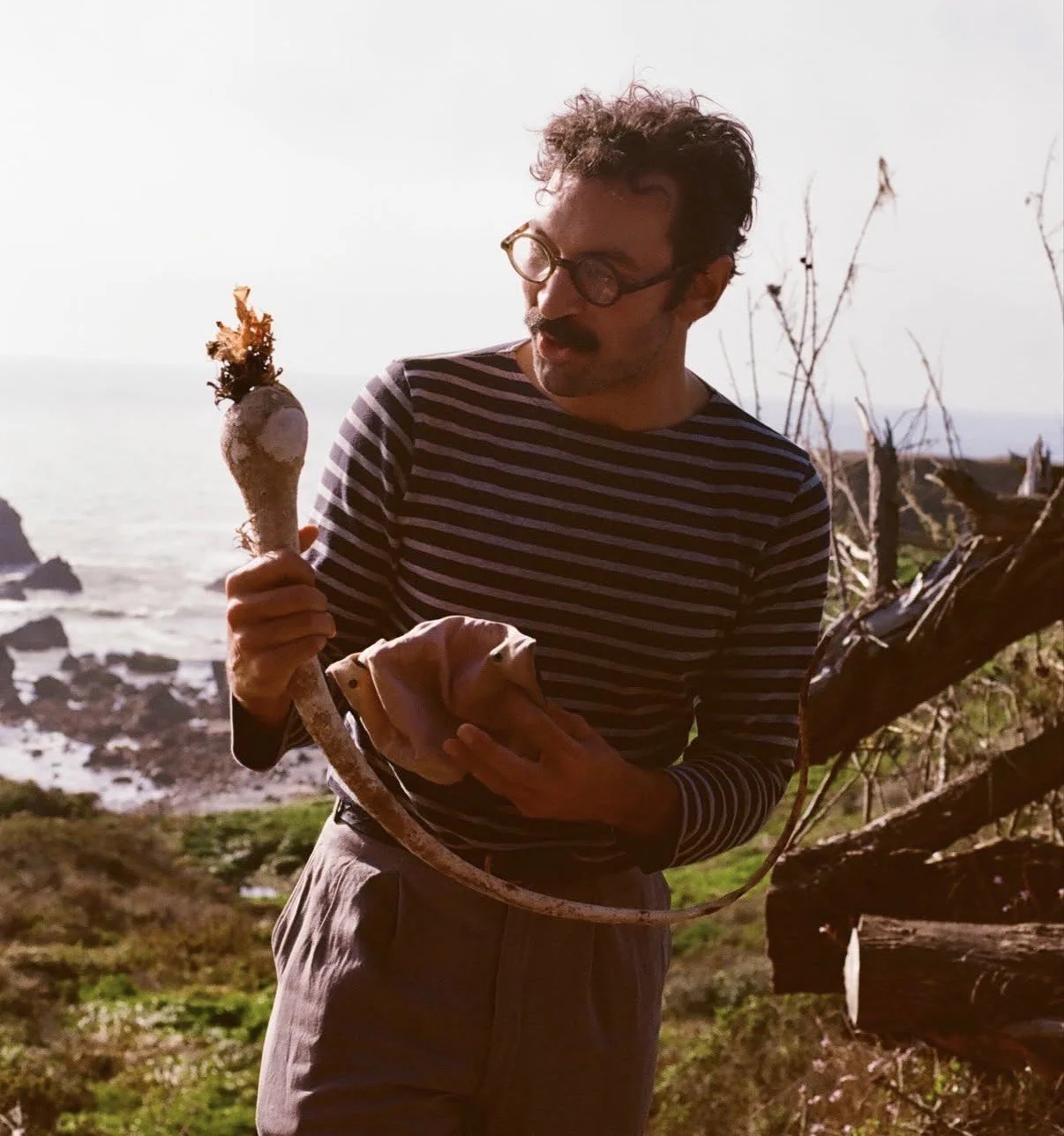
Nathan Maxwell Cann leads workshops focused on coastal ecology, seaweed, and urchin management through initiatives including Flora & Fungi and the Usal Project. Nathan is also the co-chair of North Coast KelpFest! in Mendocino, where he collaborates with community members across disciplines to highlight the ecological and cultural significance of kelp and coastal food systems.
Urchin photo by Sarah Reith.
Other photos courtesy of Nathan Maxwell Cann